Antique gold brooch: the heritage of Pompadour in Victorian jewelry
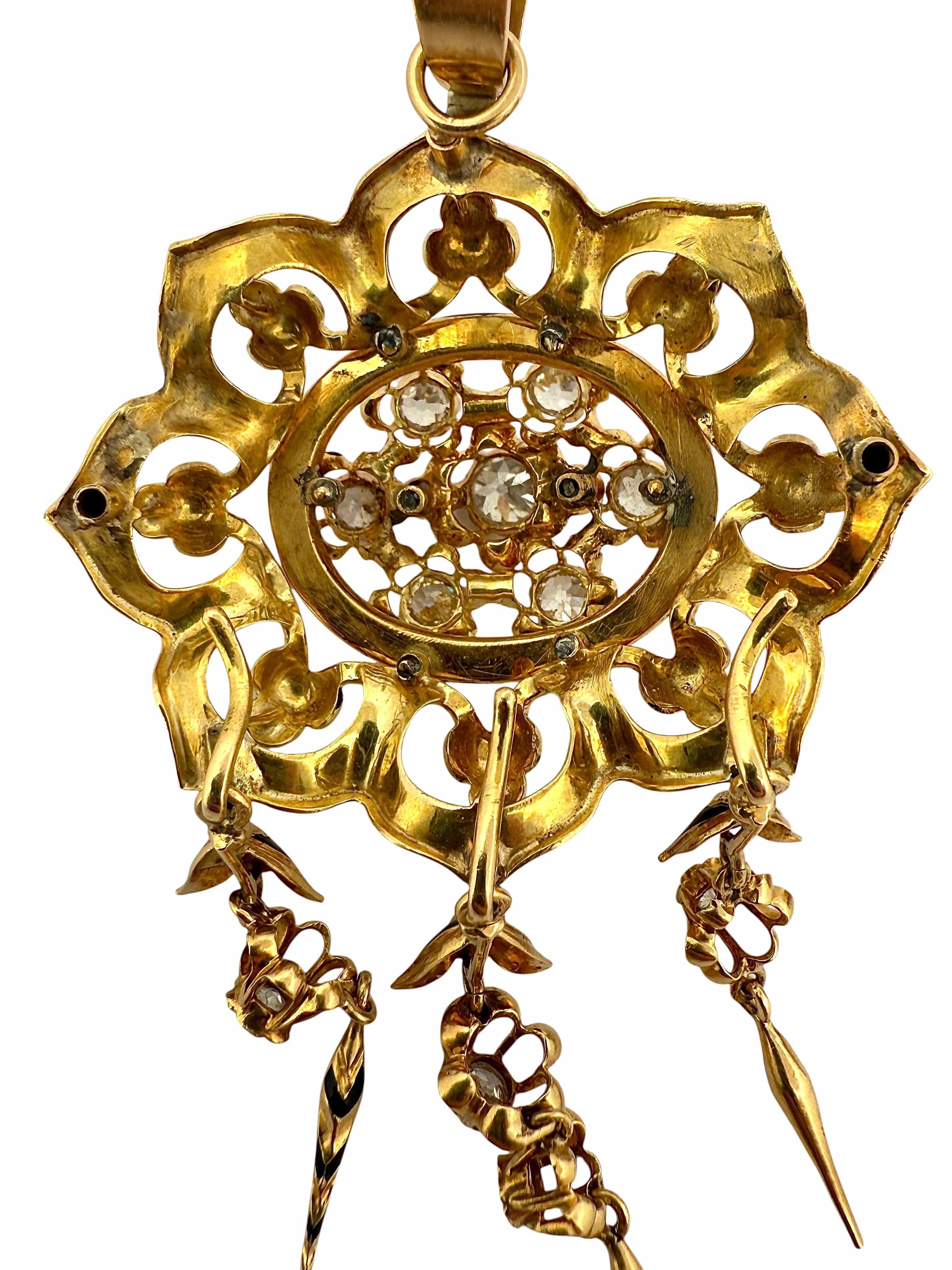
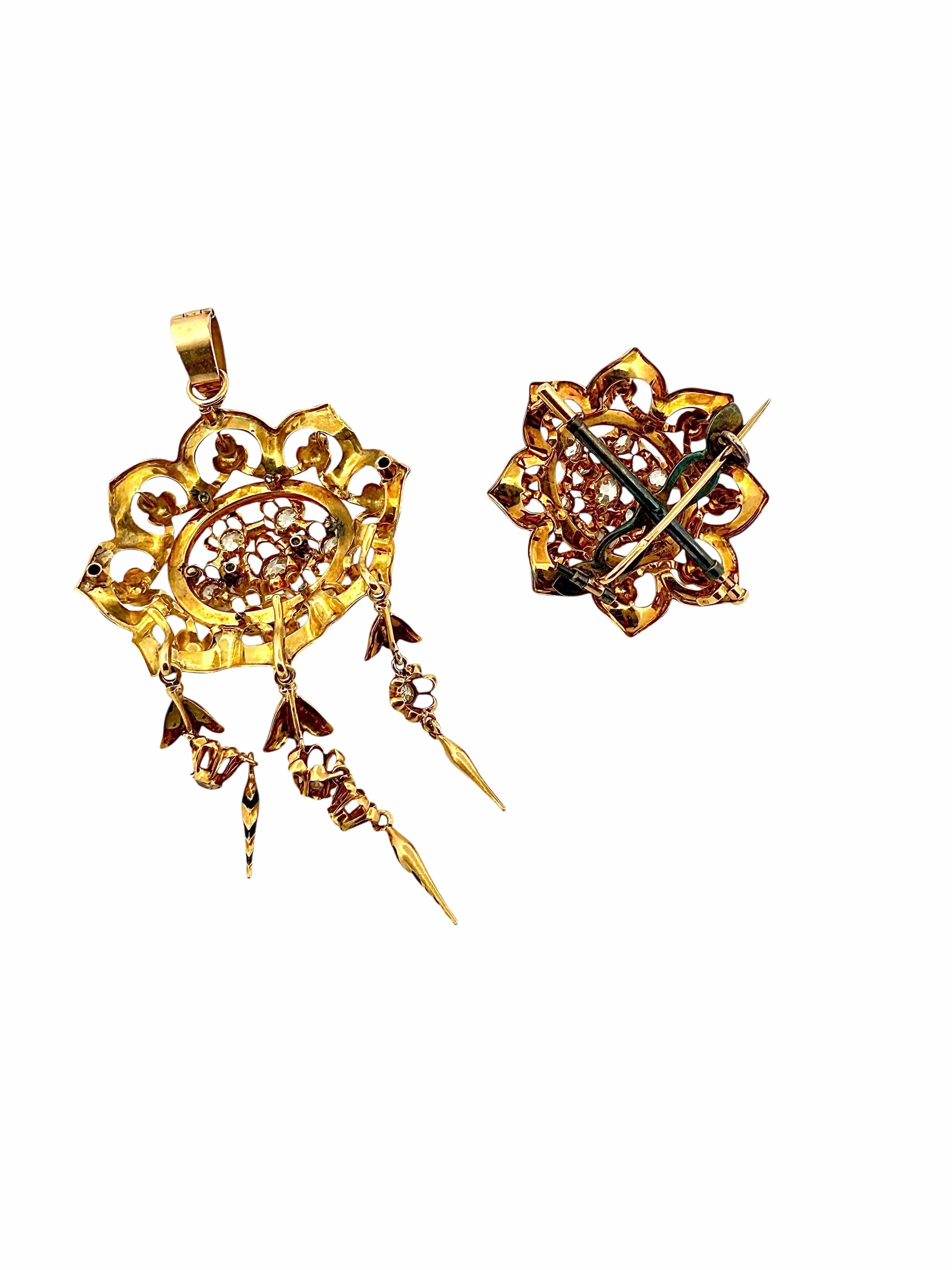
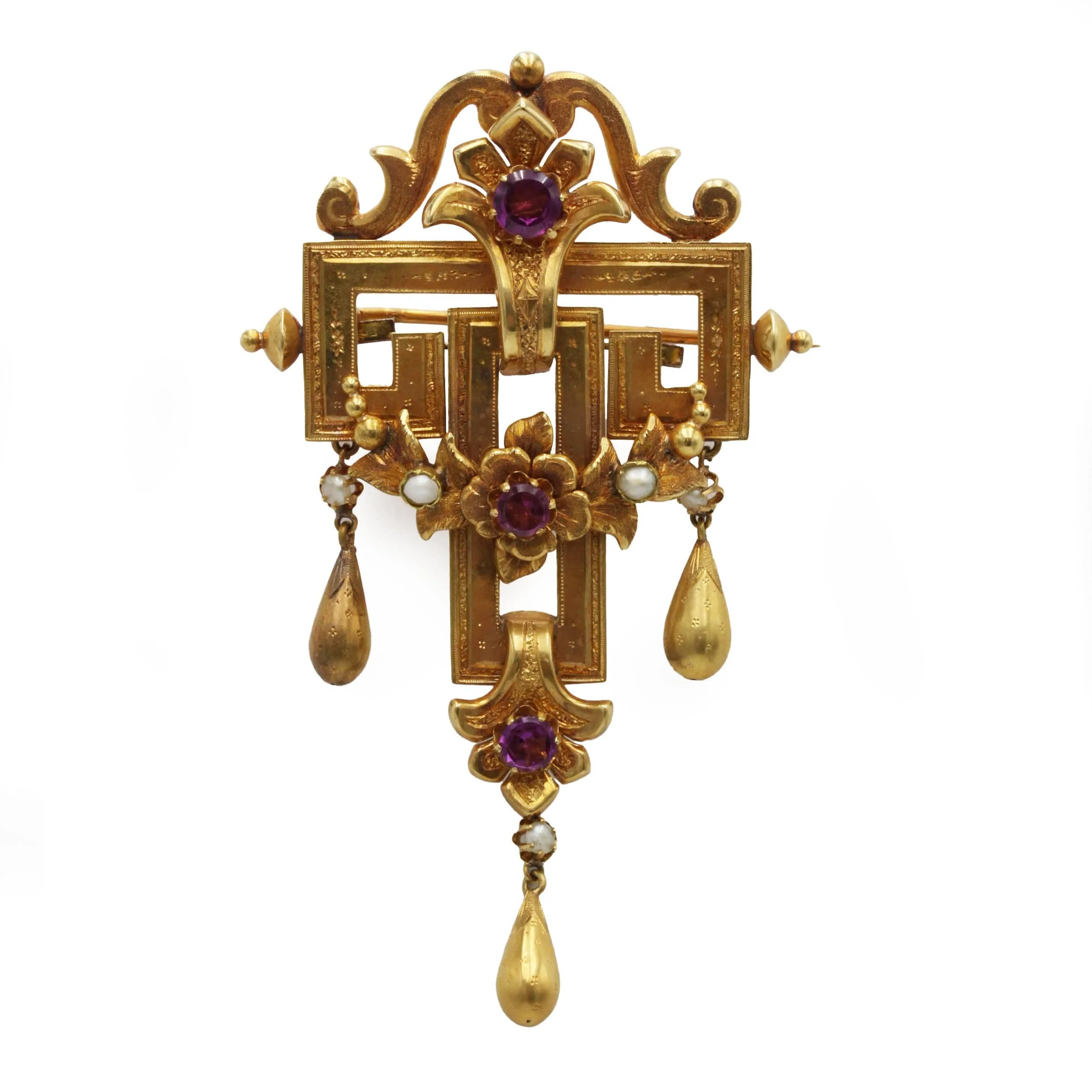
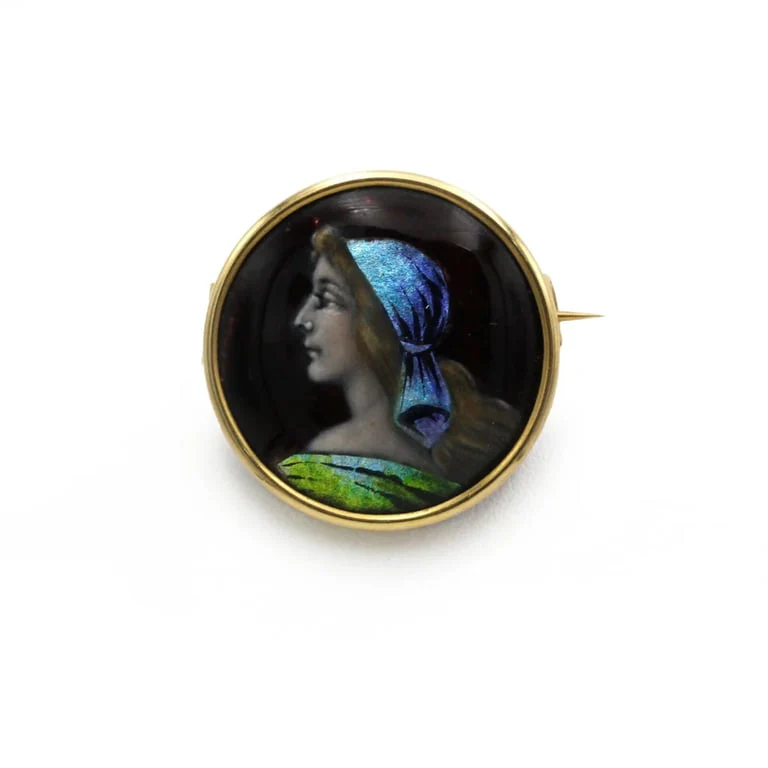
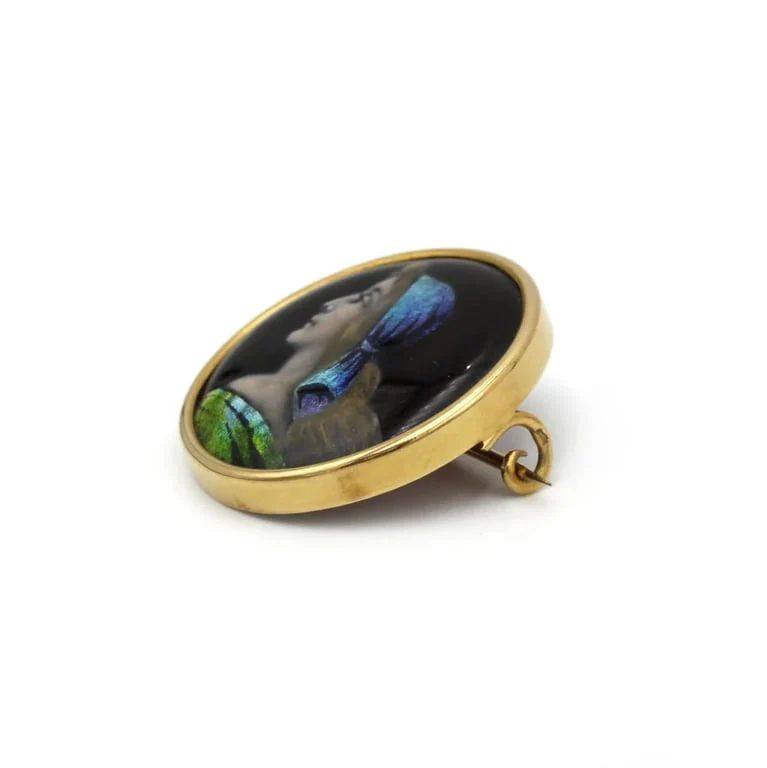
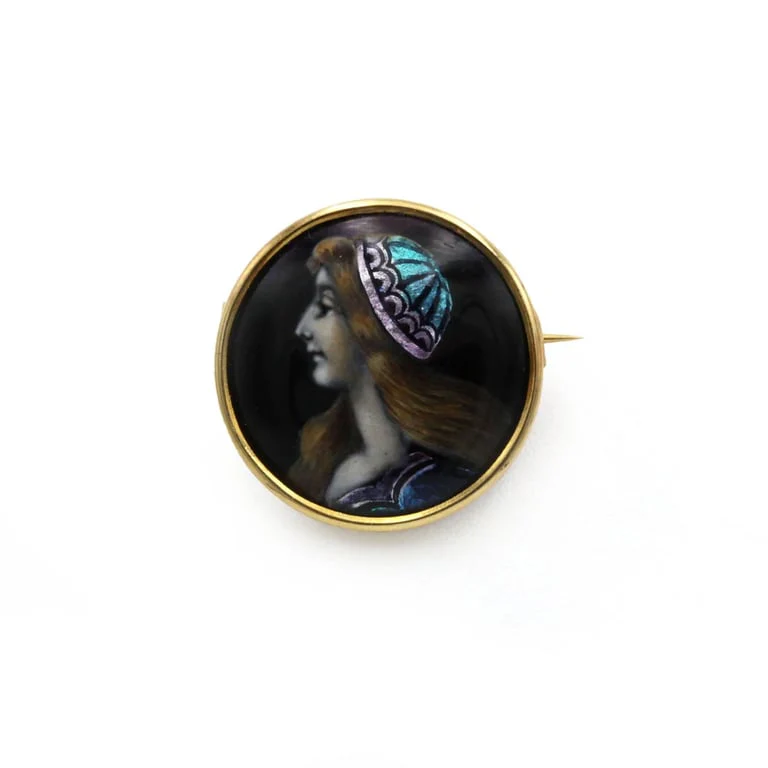
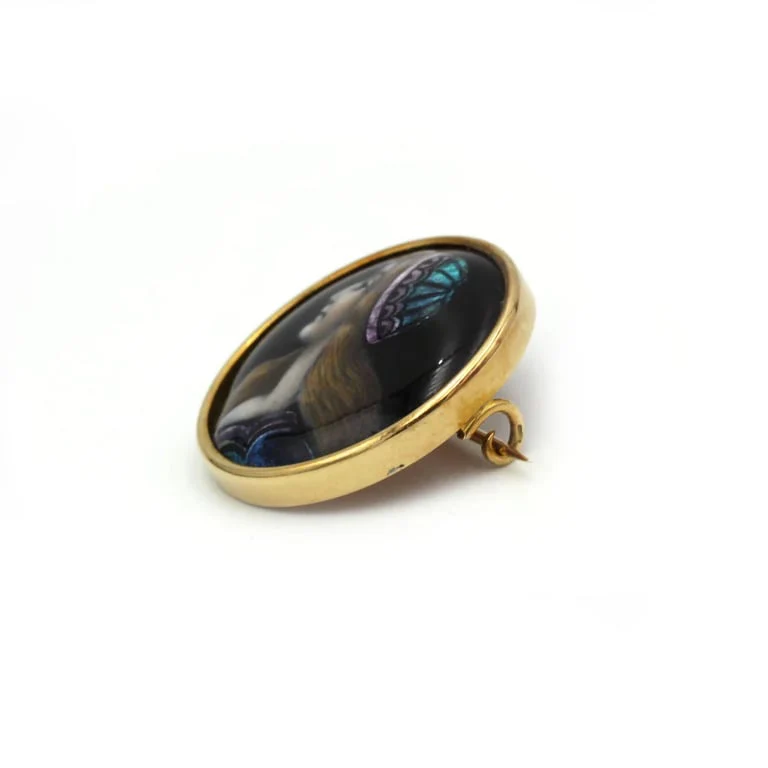
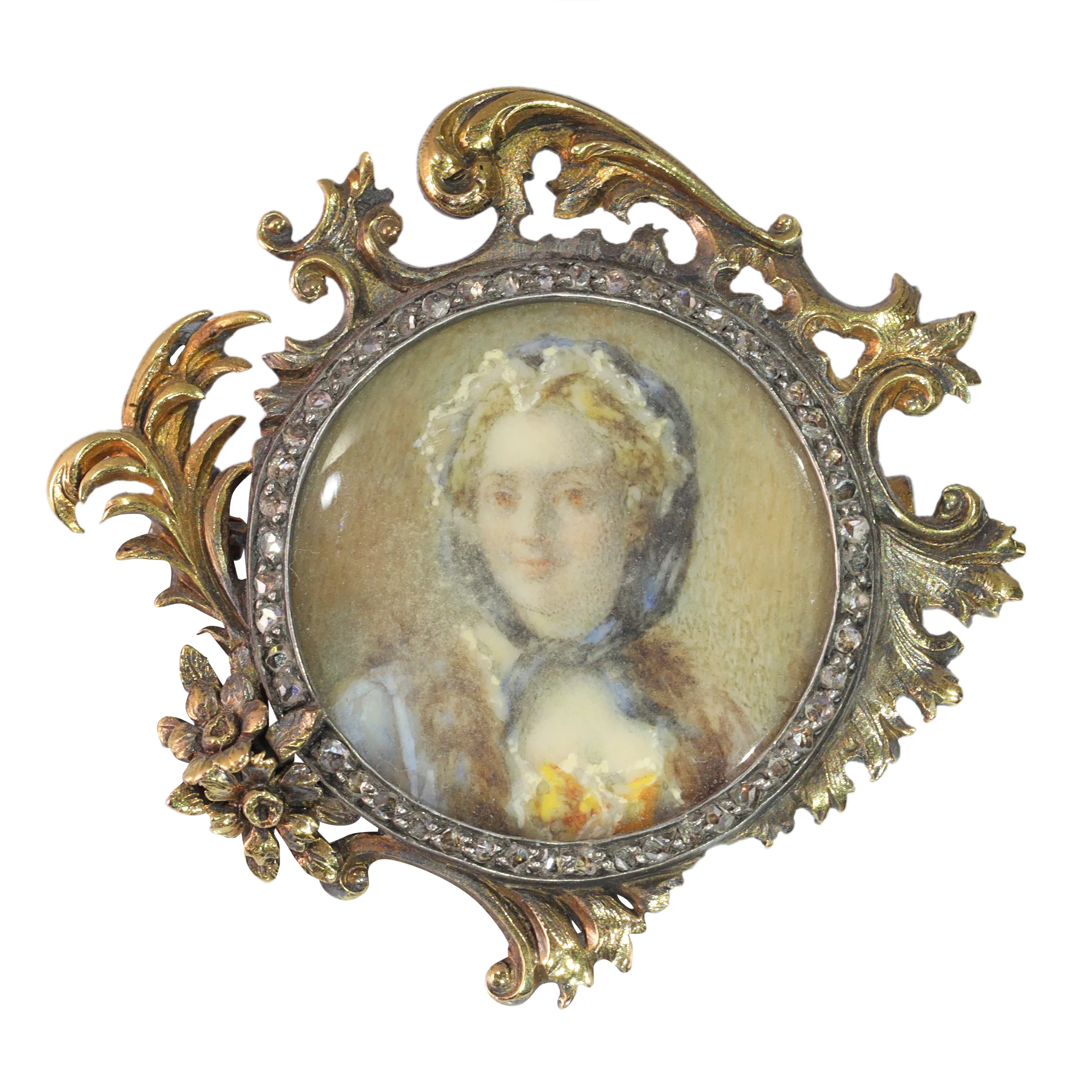
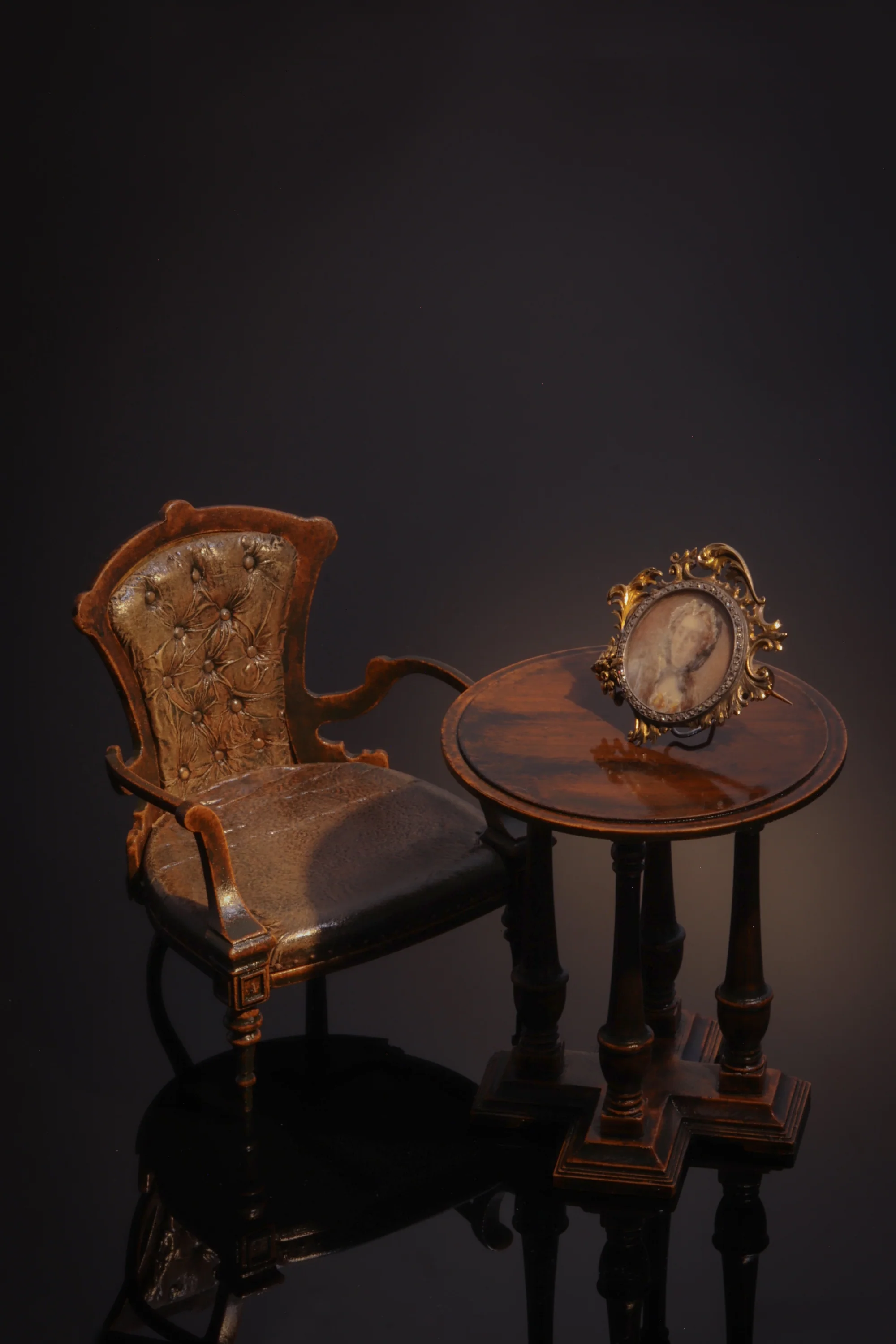
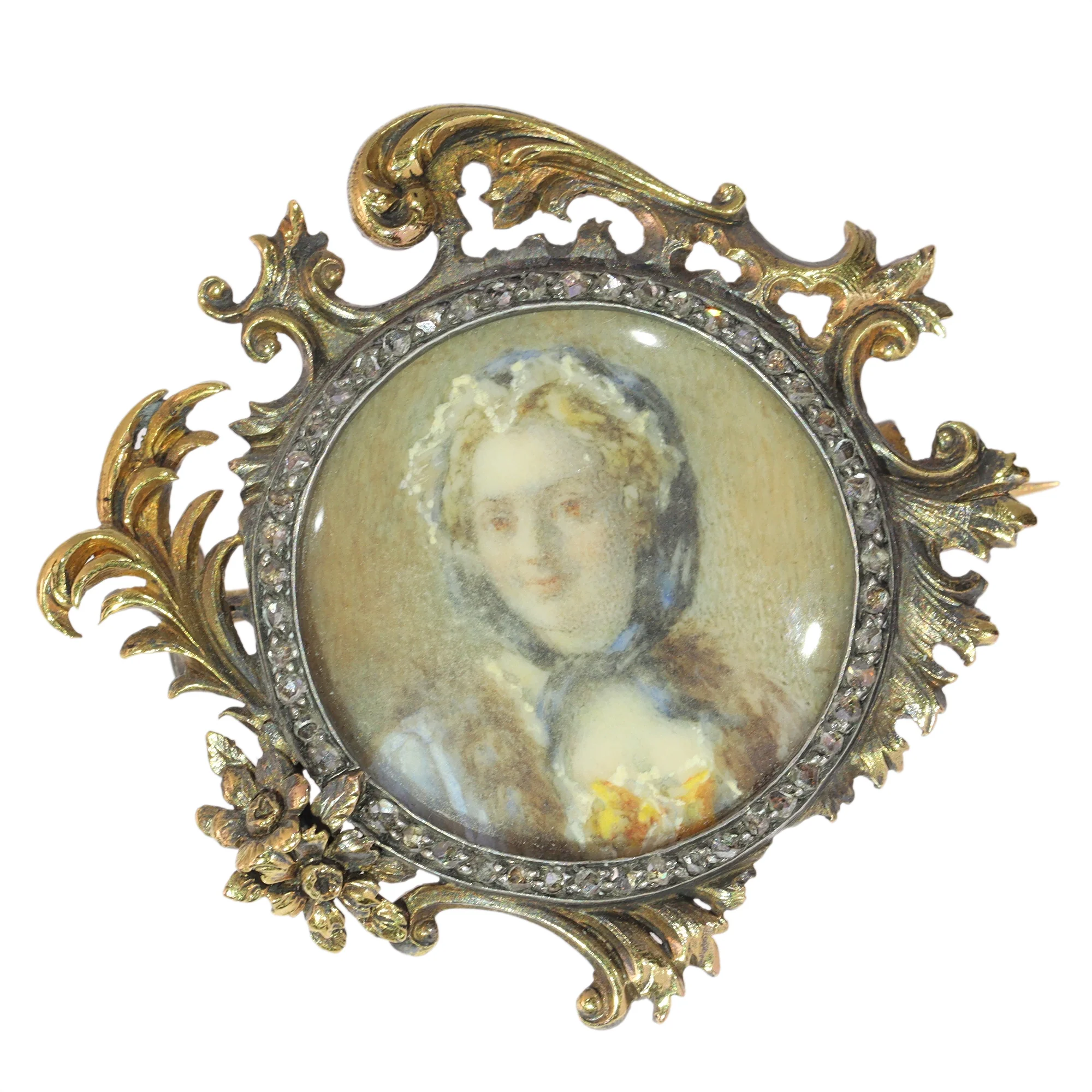
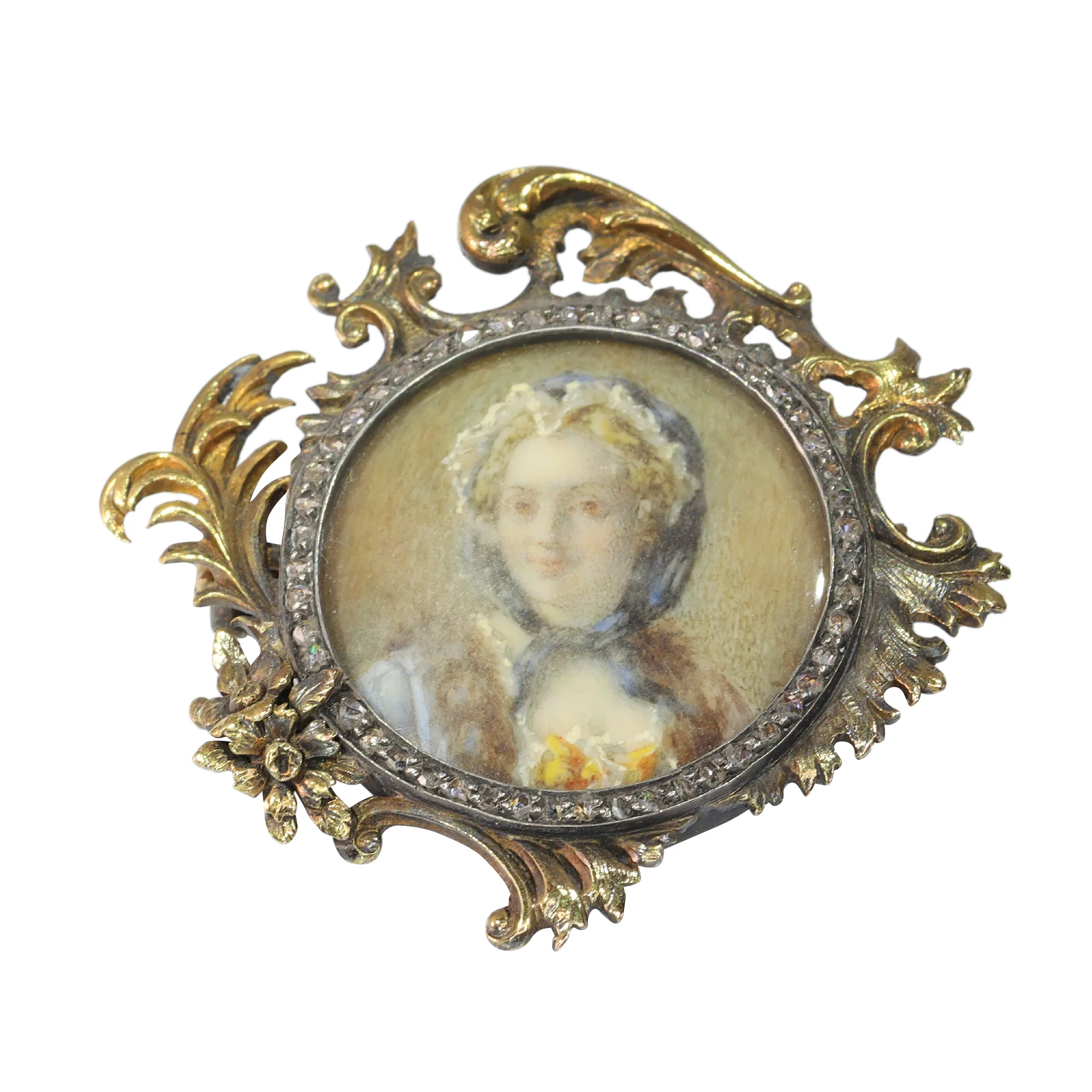
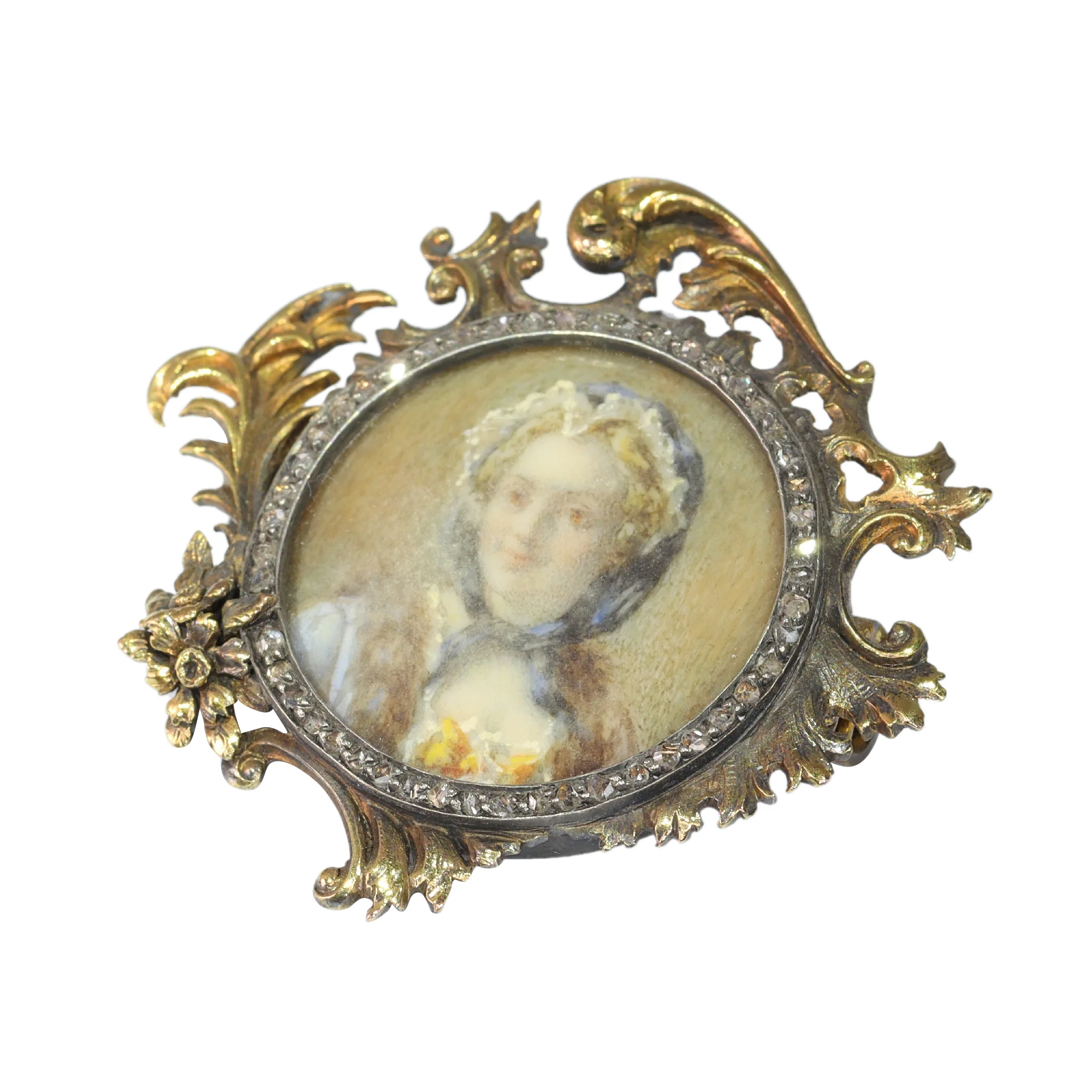
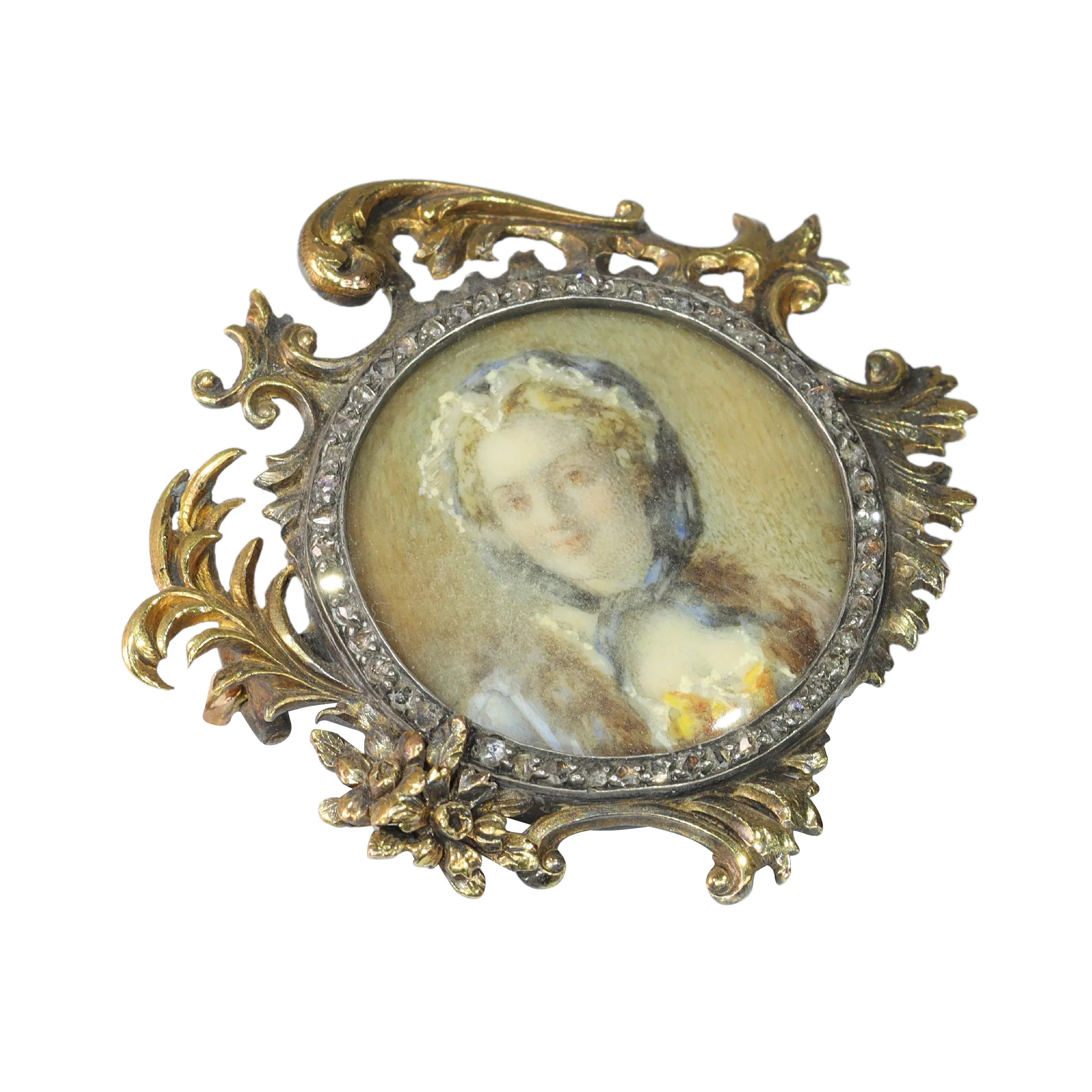
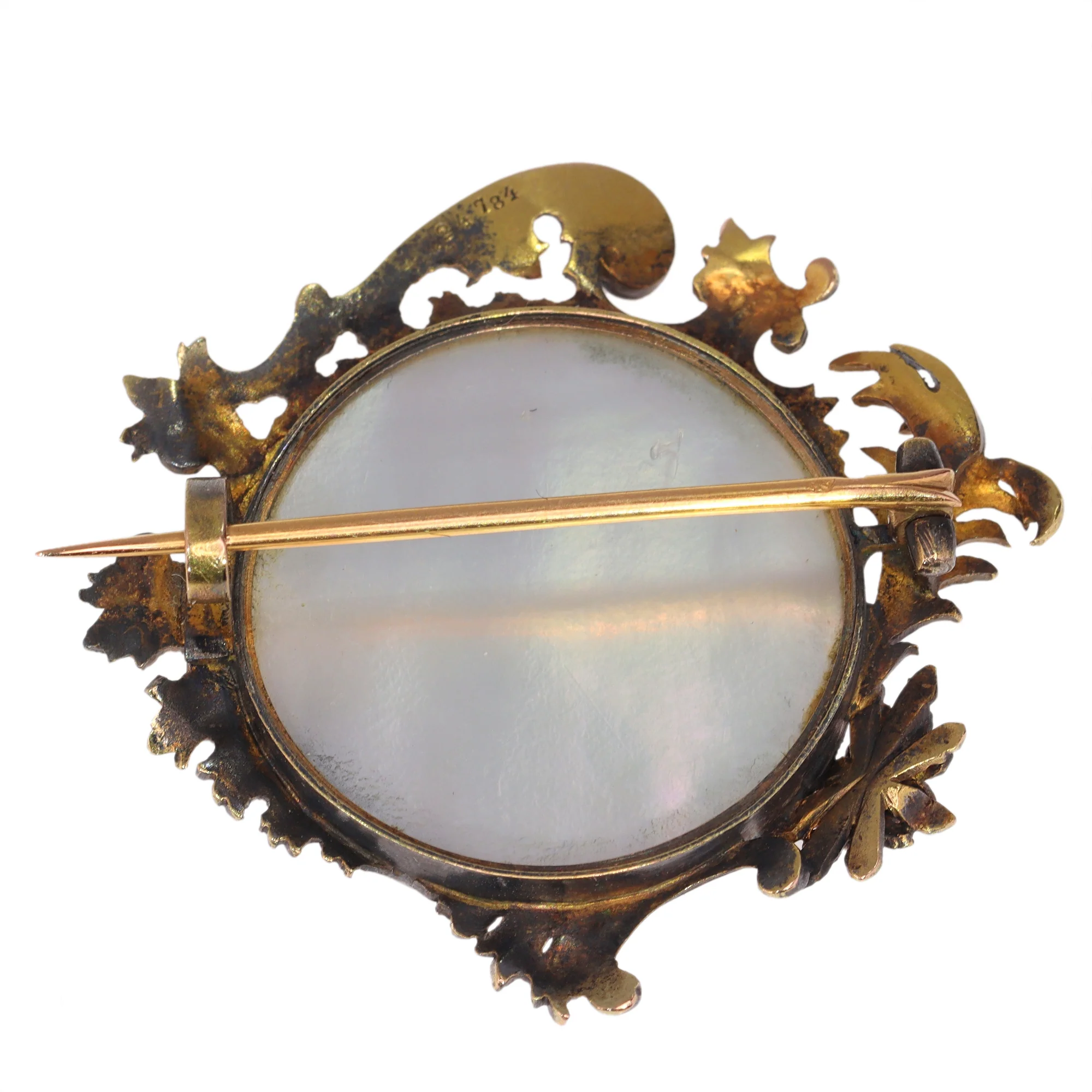
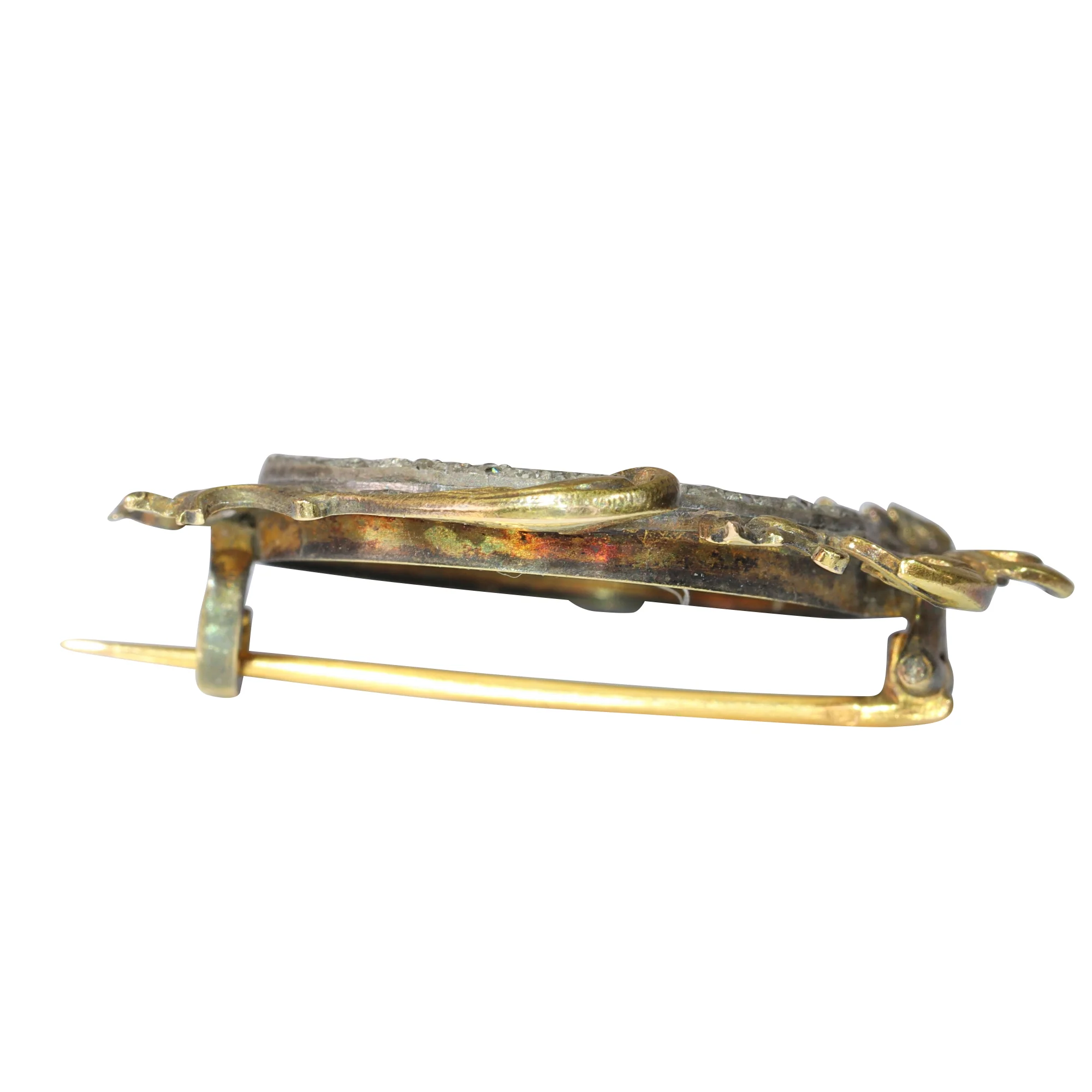
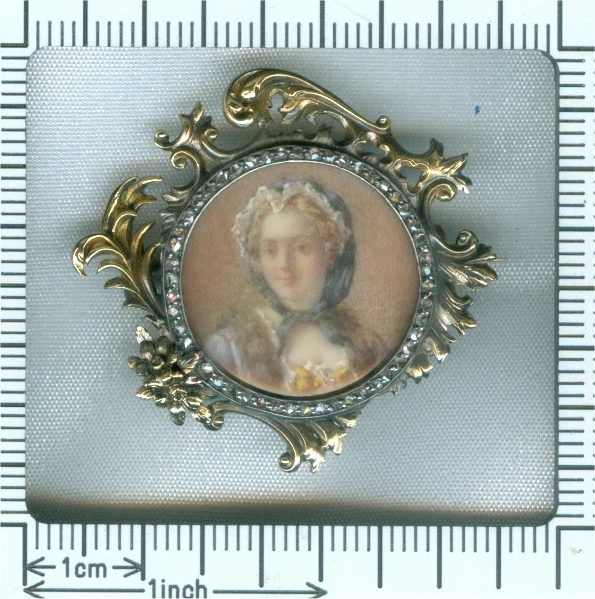
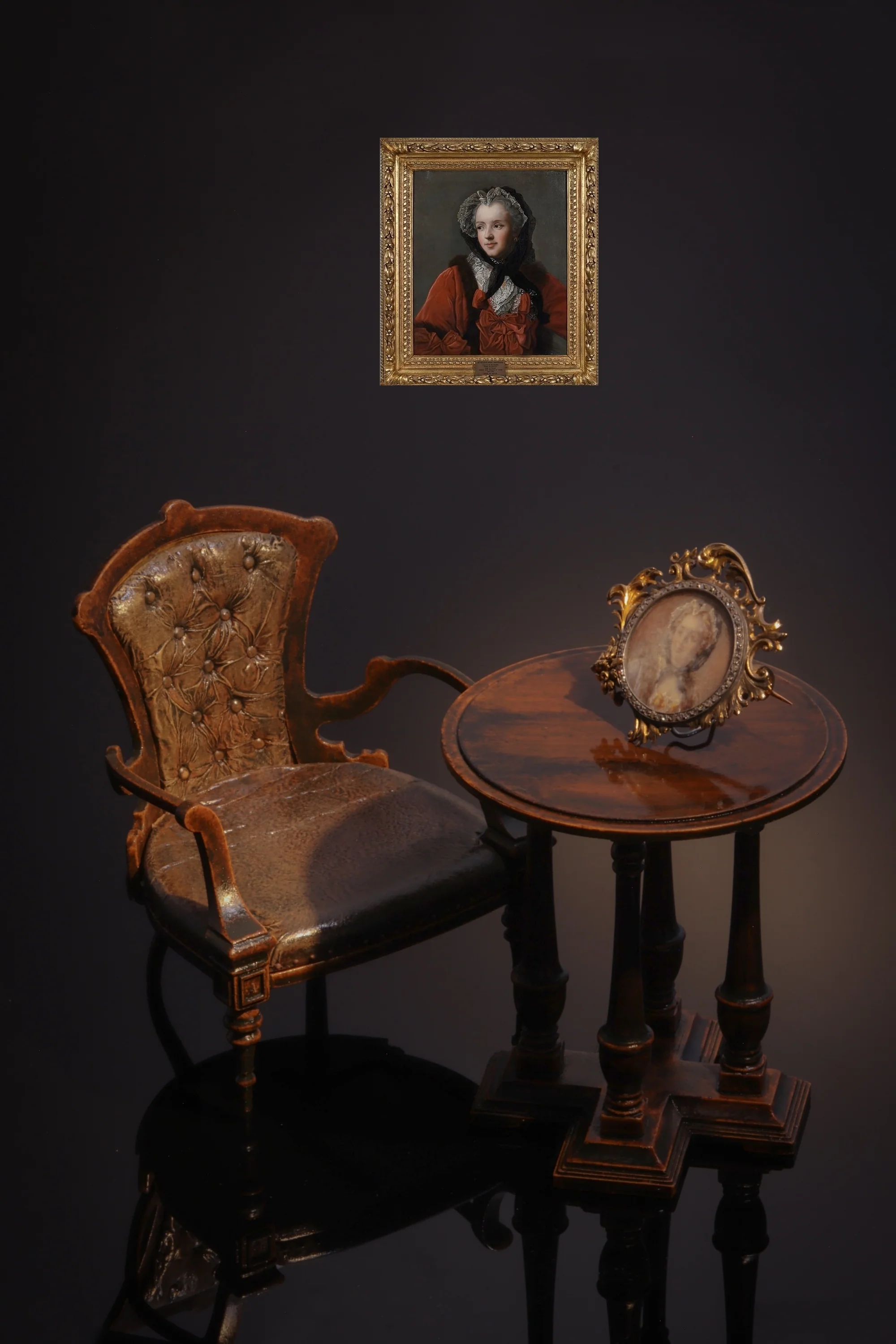
An exquisite French Victorian brooch, dating from around 1860, exudes the romance of its era thanks to a miniature emblematic of Madame de Pompadour's influence at the court of Louis XV. Illustrating the artistic talent of the Romantic Victorian period, it features a Jewelry set of 49 natural rose-cut diamonds adorning an 18-carat yellow gold jewel enhanced with silver details. This refined piece is marked with the French "eagle's head" hallmark, attesting to its rich provenance and superb condition, a testament to its rich past.
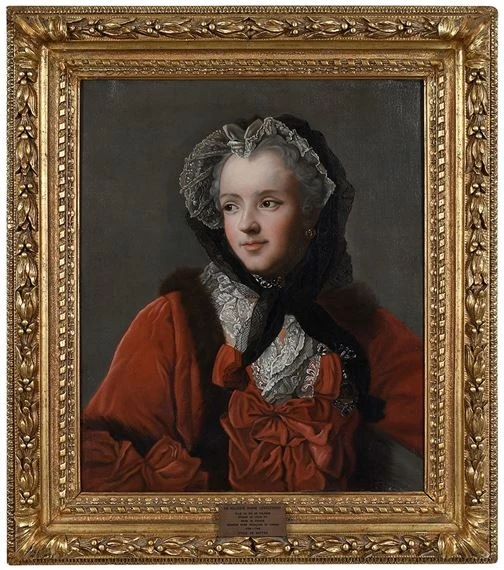
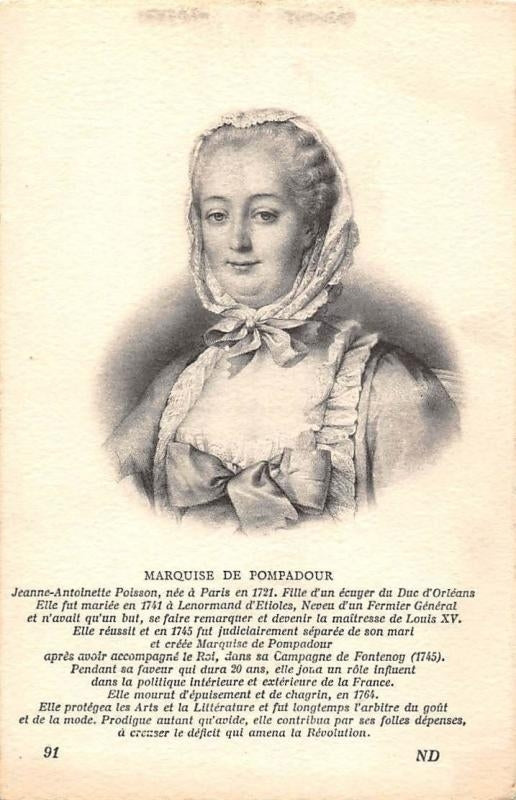
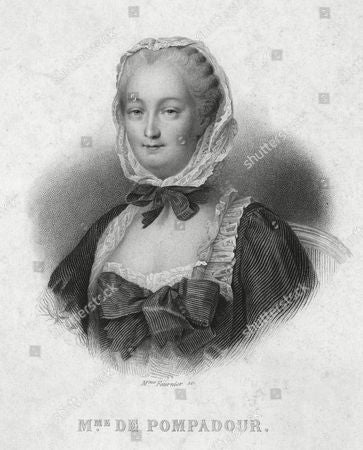
Madame de Pompadour
- Madame de Pompadour was a member of the French court and was the chief official mistress of Louis XV from 1745 to 1751, and remained influential as the court favorite until her death.
Pompadour managed the king's schedule and was a valuable aide and advisor, despite her fragile health and many political enemies. She obtained noble titles for herself and her family and built a network of clients and supporters. She took particular care not to alienate Queen Marie Leszczynska. On February 8, 1756, the Marquise de Pompadour was appointed thirteenth lady of honor to the queen, a position considered the most prestigious at court, which earned her many honors.
Pompadour was a great patron of architecture and the decorative arts, especially porcelain. She was a protector of Enlightenment philosophers, including Voltaire.
Hostile critics of the time generally described her as a harmful political influence, but historians are more favorable, emphasizing her successes as a patron of the arts and defender of French pride. Art historian Melissa Hyde argues that criticism of Pompadour was motivated by fear of an upheaval in social and gender hierarchies that Pompadour's power and influence, as a woman not from the aristocracy, represented. (According to Wikipedia)
Antique jewelry object group:
brooch
Condition:
excellent condition
- (more info on our condition scale)
Country of origin:
France
Style:
Victorian - Victorian decorative arts refer to the style of decorative arts of the Victorian era. This period is known for its eclectic revival and interpretation of historic styles, as well as for introducing cross-cultural influences from the Middle East and Asia into furniture, accessories, and interior decoration. Victorian design is widely regarded as having shown a regrettable excess of ornamentation. The Arts and Crafts movement, the Aesthetic movement, the Anglo-Japanese style, and Art Nouveau all have their origins at the end of the Victorian era.
- See also: Victorian or more information on styles
Style specifics:
The Romantic Victorian period - Experts divide the reign of Queen Victoria, also called the Victorian era (1837 - 1901), into three periods of about twenty years each: the Romantic Victorian period (1837 - 1860), the Grand Victorian period (1860 - 1880), and the Late or Aesthetic Victorian period (1880 - 1901).
We consider this period to belong to the Romantic Victorian period. This period covers the coronation of Victoria as Queen of Great Britain and Ireland, her marriage to King Albert, their love and devotion to their marriage and country, which served as inspiration. The jewelry of this period is made with intricate carvings, special techniques where enamel is subtly worked. These techniques allowed the jewelry to have a certain opulence with less precious metal. At that time, precious metals were very rare. The most prized (semi-)precious stones of this era are amethyst, coral, garnet, cultured pearls, and turquoise. The connotation is obviously sentimental, symbolic, and romantic, with motifs reminiscent of the Gothic and/or Renaissance style, and an abundant use of motifs such as anchors, birds, branches, crosses, hearts, and snakes.
Period:
around 1860
- (events and facts of this era, poetry of this era, fashion of this era)
Theme:
Madame de Pompadour
Material:
18-carat yellow gold and silver, see also: The silver technique on gold
- (more info about precious metals)
Technique:
miniature painting
Diamond(s):
49 rose-cut diamonds. We do not know the weight of the diamonds, unlike what is common in our profession for rose-cut diamonds.
- All diamonds are examined by the IJGC laboratory (www.ijgc-worldwide.com) to determine whether they are natural or synthetic, and all the diamonds in this piece are guaranteed 100% natural!
Birthstones:
Diamond is the birthstone (or month stone) for April.
- (more info about birthstones)
Hallmarks:
The French control hallmark for 18-carat gold representing an eagle's head, which was used in France from around 1838.
- (more info about hallmarks)
Dimensions:
width 3.62 cm (1.43 inches)
Weight:
7.80 grams (5.02 dwt)
Original: $10,672.60
-70%$10,672.60
$3,201.78More Images
Antique gold brooch: the heritage of Pompadour in Victorian jewelry
An exquisite French Victorian brooch, dating from around 1860, exudes the romance of its era thanks to a miniature emblematic of Madame de Pompadour's influence at the court of Louis XV. Illustrating the artistic talent of the Romantic Victorian period, it features a Jewelry set of 49 natural rose-cut diamonds adorning an 18-carat yellow gold jewel enhanced with silver details. This refined piece is marked with the French "eagle's head" hallmark, attesting to its rich provenance and superb condition, a testament to its rich past.
Madame de Pompadour
- Madame de Pompadour was a member of the French court and was the chief official mistress of Louis XV from 1745 to 1751, and remained influential as the court favorite until her death.
Pompadour managed the king's schedule and was a valuable aide and advisor, despite her fragile health and many political enemies. She obtained noble titles for herself and her family and built a network of clients and supporters. She took particular care not to alienate Queen Marie Leszczynska. On February 8, 1756, the Marquise de Pompadour was appointed thirteenth lady of honor to the queen, a position considered the most prestigious at court, which earned her many honors.
Pompadour was a great patron of architecture and the decorative arts, especially porcelain. She was a protector of Enlightenment philosophers, including Voltaire.
Hostile critics of the time generally described her as a harmful political influence, but historians are more favorable, emphasizing her successes as a patron of the arts and defender of French pride. Art historian Melissa Hyde argues that criticism of Pompadour was motivated by fear of an upheaval in social and gender hierarchies that Pompadour's power and influence, as a woman not from the aristocracy, represented. (According to Wikipedia)
Antique jewelry object group:
brooch
Condition:
excellent condition
- (more info on our condition scale)
Country of origin:
France
Style:
Victorian - Victorian decorative arts refer to the style of decorative arts of the Victorian era. This period is known for its eclectic revival and interpretation of historic styles, as well as for introducing cross-cultural influences from the Middle East and Asia into furniture, accessories, and interior decoration. Victorian design is widely regarded as having shown a regrettable excess of ornamentation. The Arts and Crafts movement, the Aesthetic movement, the Anglo-Japanese style, and Art Nouveau all have their origins at the end of the Victorian era.
- See also: Victorian or more information on styles
Style specifics:
The Romantic Victorian period - Experts divide the reign of Queen Victoria, also called the Victorian era (1837 - 1901), into three periods of about twenty years each: the Romantic Victorian period (1837 - 1860), the Grand Victorian period (1860 - 1880), and the Late or Aesthetic Victorian period (1880 - 1901).
We consider this period to belong to the Romantic Victorian period. This period covers the coronation of Victoria as Queen of Great Britain and Ireland, her marriage to King Albert, their love and devotion to their marriage and country, which served as inspiration. The jewelry of this period is made with intricate carvings, special techniques where enamel is subtly worked. These techniques allowed the jewelry to have a certain opulence with less precious metal. At that time, precious metals were very rare. The most prized (semi-)precious stones of this era are amethyst, coral, garnet, cultured pearls, and turquoise. The connotation is obviously sentimental, symbolic, and romantic, with motifs reminiscent of the Gothic and/or Renaissance style, and an abundant use of motifs such as anchors, birds, branches, crosses, hearts, and snakes.
Period:
around 1860
- (events and facts of this era, poetry of this era, fashion of this era)
Theme:
Madame de Pompadour
Material:
18-carat yellow gold and silver, see also: The silver technique on gold
- (more info about precious metals)
Technique:
miniature painting
Diamond(s):
49 rose-cut diamonds. We do not know the weight of the diamonds, unlike what is common in our profession for rose-cut diamonds.
- All diamonds are examined by the IJGC laboratory (www.ijgc-worldwide.com) to determine whether they are natural or synthetic, and all the diamonds in this piece are guaranteed 100% natural!
Birthstones:
Diamond is the birthstone (or month stone) for April.
- (more info about birthstones)
Hallmarks:
The French control hallmark for 18-carat gold representing an eagle's head, which was used in France from around 1838.
- (more info about hallmarks)
Dimensions:
width 3.62 cm (1.43 inches)
Weight:
7.80 grams (5.02 dwt)
Product Information
Product Information
Shipping & Returns
Shipping & Returns
Description
An exquisite French Victorian brooch, dating from around 1860, exudes the romance of its era thanks to a miniature emblematic of Madame de Pompadour's influence at the court of Louis XV. Illustrating the artistic talent of the Romantic Victorian period, it features a Jewelry set of 49 natural rose-cut diamonds adorning an 18-carat yellow gold jewel enhanced with silver details. This refined piece is marked with the French "eagle's head" hallmark, attesting to its rich provenance and superb condition, a testament to its rich past.
Madame de Pompadour
- Madame de Pompadour was a member of the French court and was the chief official mistress of Louis XV from 1745 to 1751, and remained influential as the court favorite until her death.
Pompadour managed the king's schedule and was a valuable aide and advisor, despite her fragile health and many political enemies. She obtained noble titles for herself and her family and built a network of clients and supporters. She took particular care not to alienate Queen Marie Leszczynska. On February 8, 1756, the Marquise de Pompadour was appointed thirteenth lady of honor to the queen, a position considered the most prestigious at court, which earned her many honors.
Pompadour was a great patron of architecture and the decorative arts, especially porcelain. She was a protector of Enlightenment philosophers, including Voltaire.
Hostile critics of the time generally described her as a harmful political influence, but historians are more favorable, emphasizing her successes as a patron of the arts and defender of French pride. Art historian Melissa Hyde argues that criticism of Pompadour was motivated by fear of an upheaval in social and gender hierarchies that Pompadour's power and influence, as a woman not from the aristocracy, represented. (According to Wikipedia)
Antique jewelry object group:
brooch
Condition:
excellent condition
- (more info on our condition scale)
Country of origin:
France
Style:
Victorian - Victorian decorative arts refer to the style of decorative arts of the Victorian era. This period is known for its eclectic revival and interpretation of historic styles, as well as for introducing cross-cultural influences from the Middle East and Asia into furniture, accessories, and interior decoration. Victorian design is widely regarded as having shown a regrettable excess of ornamentation. The Arts and Crafts movement, the Aesthetic movement, the Anglo-Japanese style, and Art Nouveau all have their origins at the end of the Victorian era.
- See also: Victorian or more information on styles
Style specifics:
The Romantic Victorian period - Experts divide the reign of Queen Victoria, also called the Victorian era (1837 - 1901), into three periods of about twenty years each: the Romantic Victorian period (1837 - 1860), the Grand Victorian period (1860 - 1880), and the Late or Aesthetic Victorian period (1880 - 1901).
We consider this period to belong to the Romantic Victorian period. This period covers the coronation of Victoria as Queen of Great Britain and Ireland, her marriage to King Albert, their love and devotion to their marriage and country, which served as inspiration. The jewelry of this period is made with intricate carvings, special techniques where enamel is subtly worked. These techniques allowed the jewelry to have a certain opulence with less precious metal. At that time, precious metals were very rare. The most prized (semi-)precious stones of this era are amethyst, coral, garnet, cultured pearls, and turquoise. The connotation is obviously sentimental, symbolic, and romantic, with motifs reminiscent of the Gothic and/or Renaissance style, and an abundant use of motifs such as anchors, birds, branches, crosses, hearts, and snakes.
Period:
around 1860
- (events and facts of this era, poetry of this era, fashion of this era)
Theme:
Madame de Pompadour
Material:
18-carat yellow gold and silver, see also: The silver technique on gold
- (more info about precious metals)
Technique:
miniature painting
Diamond(s):
49 rose-cut diamonds. We do not know the weight of the diamonds, unlike what is common in our profession for rose-cut diamonds.
- All diamonds are examined by the IJGC laboratory (www.ijgc-worldwide.com) to determine whether they are natural or synthetic, and all the diamonds in this piece are guaranteed 100% natural!
Birthstones:
Diamond is the birthstone (or month stone) for April.
- (more info about birthstones)
Hallmarks:
The French control hallmark for 18-carat gold representing an eagle's head, which was used in France from around 1838.
- (more info about hallmarks)
Dimensions:
width 3.62 cm (1.43 inches)
Weight:
7.80 grams (5.02 dwt)