A spark from the past: a vintage 1950s diamond engagement ring
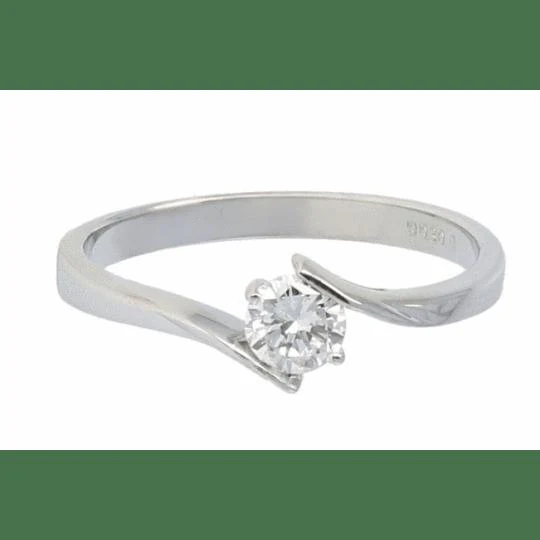
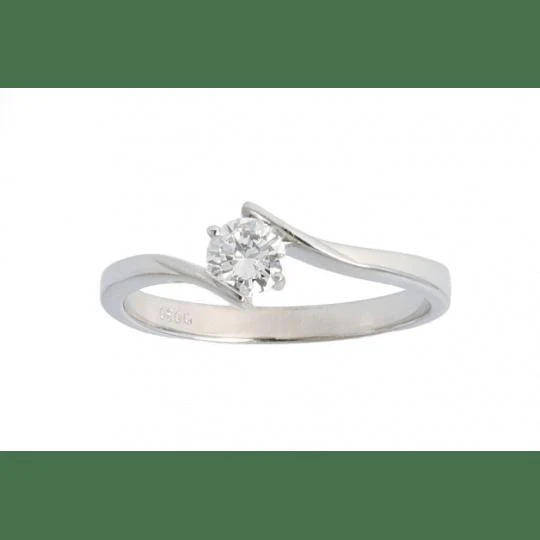
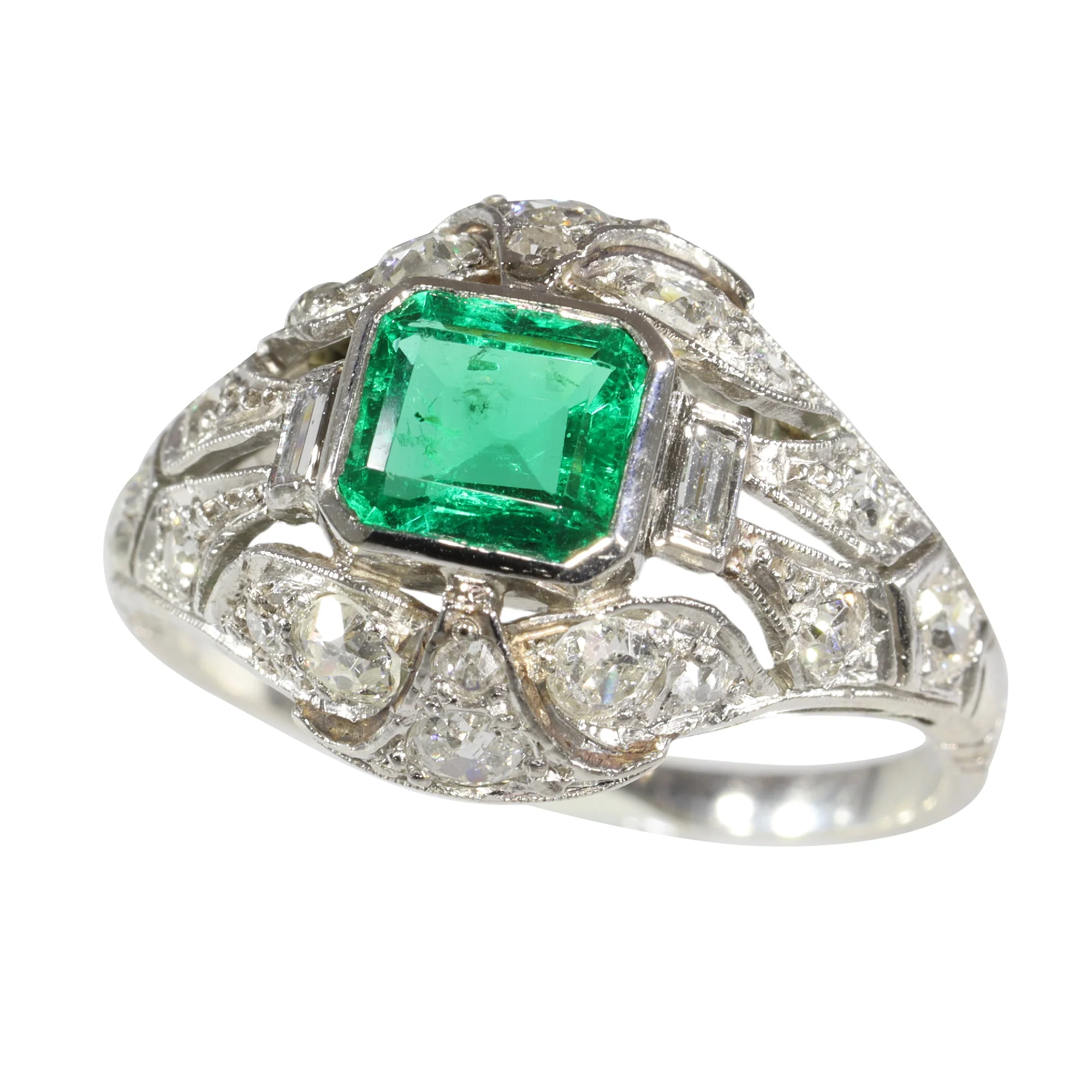
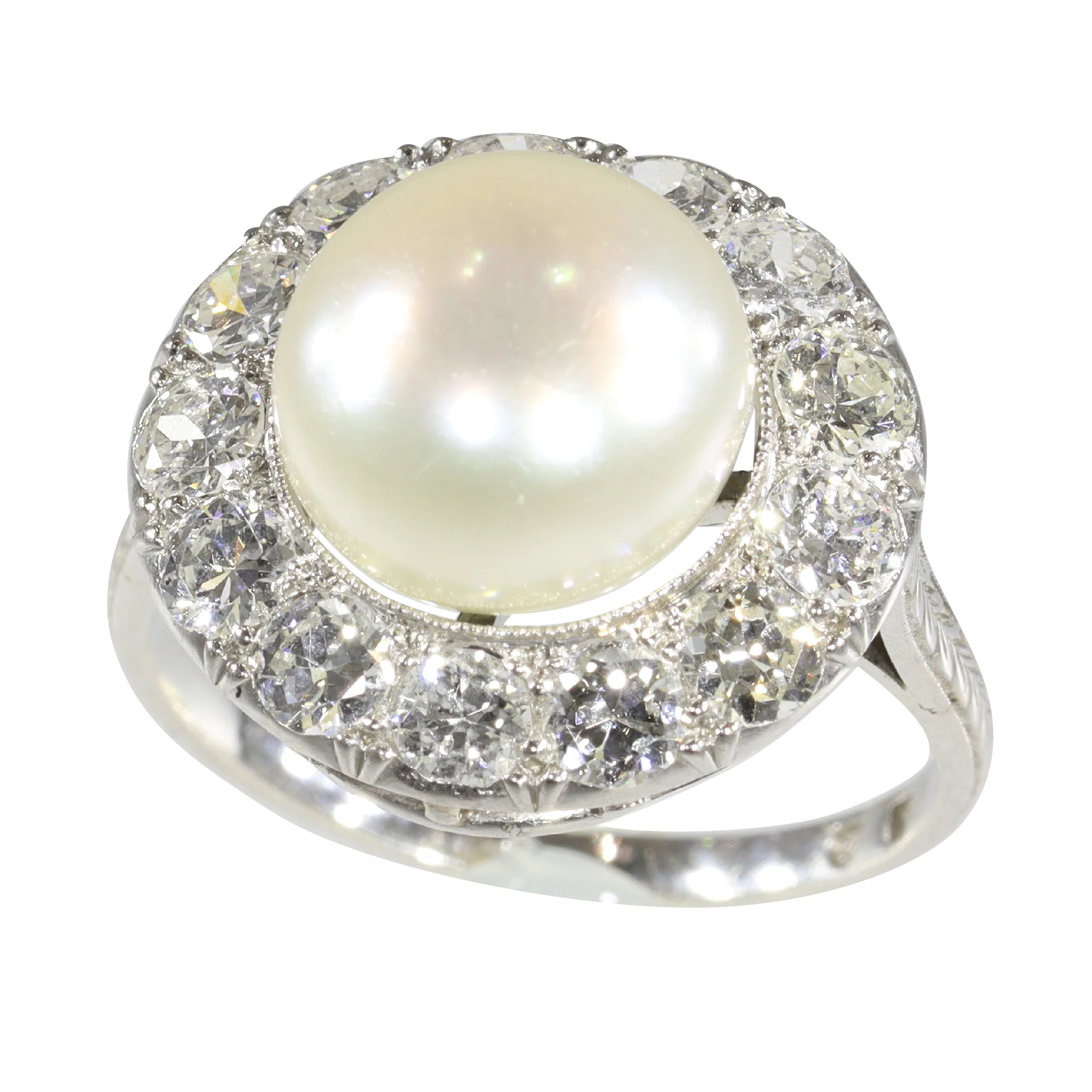
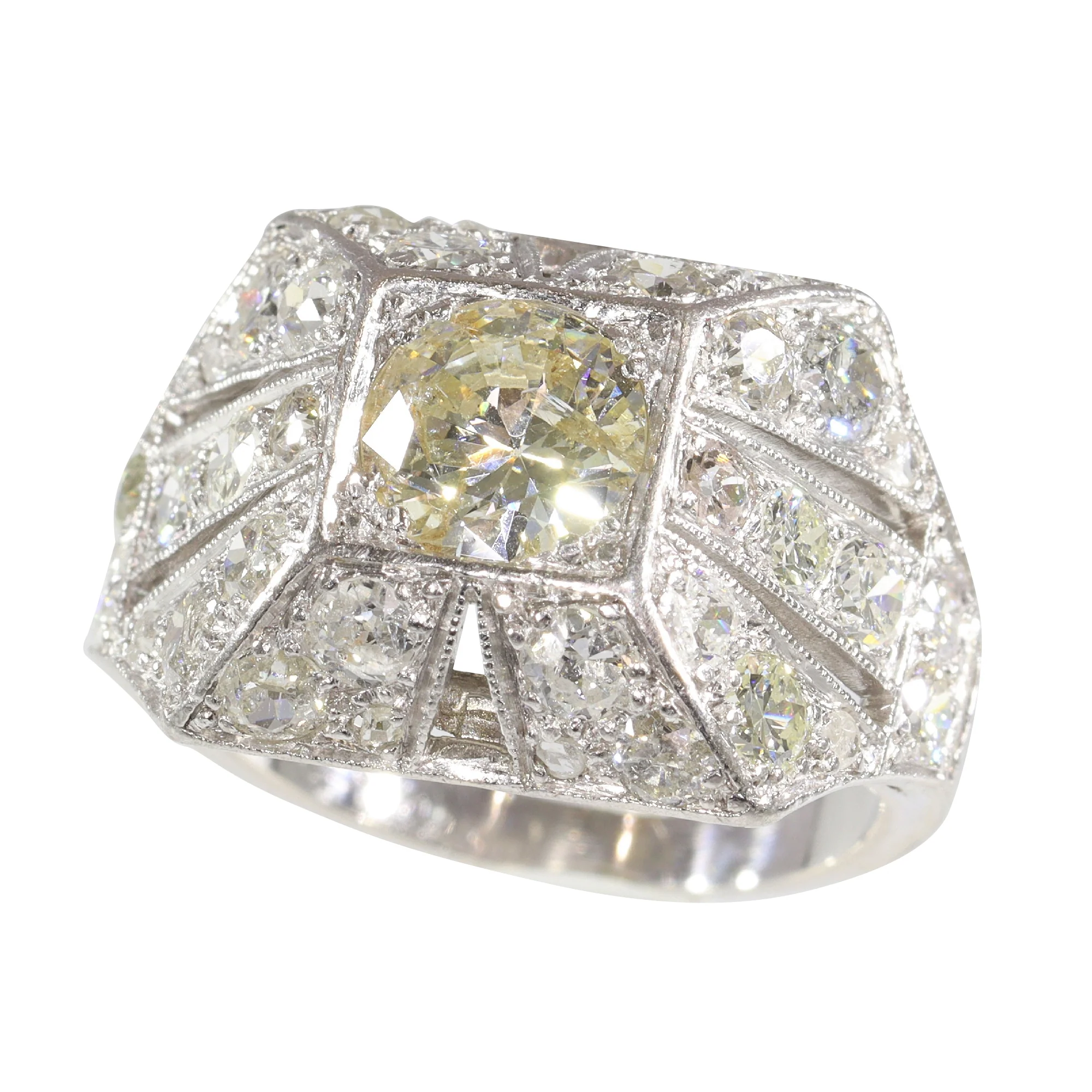
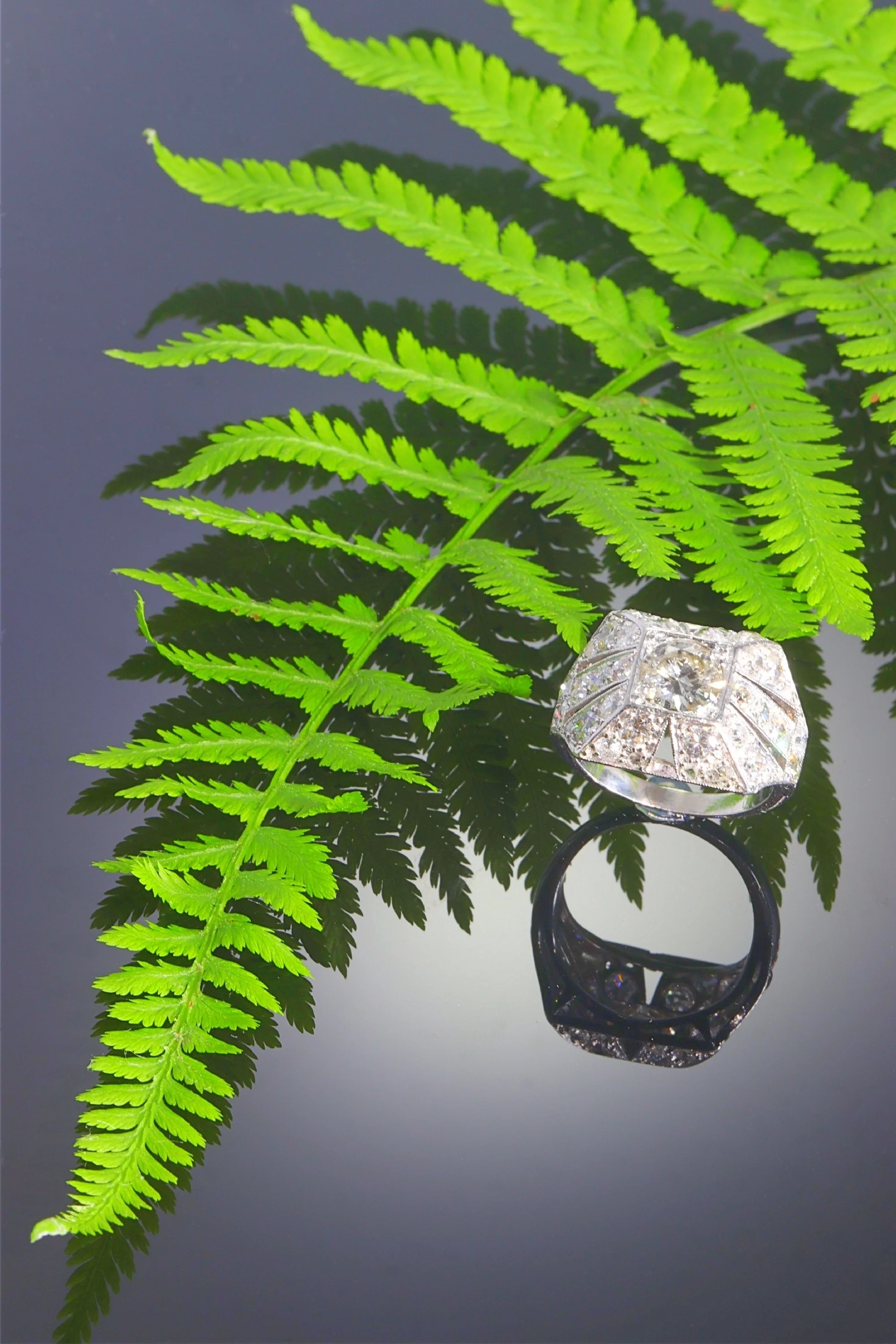
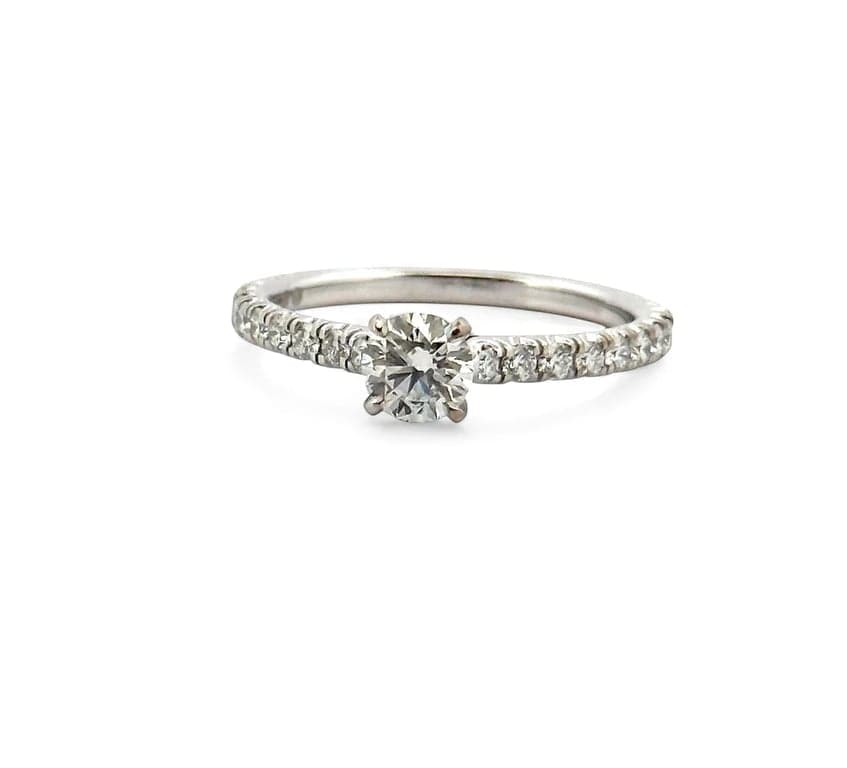
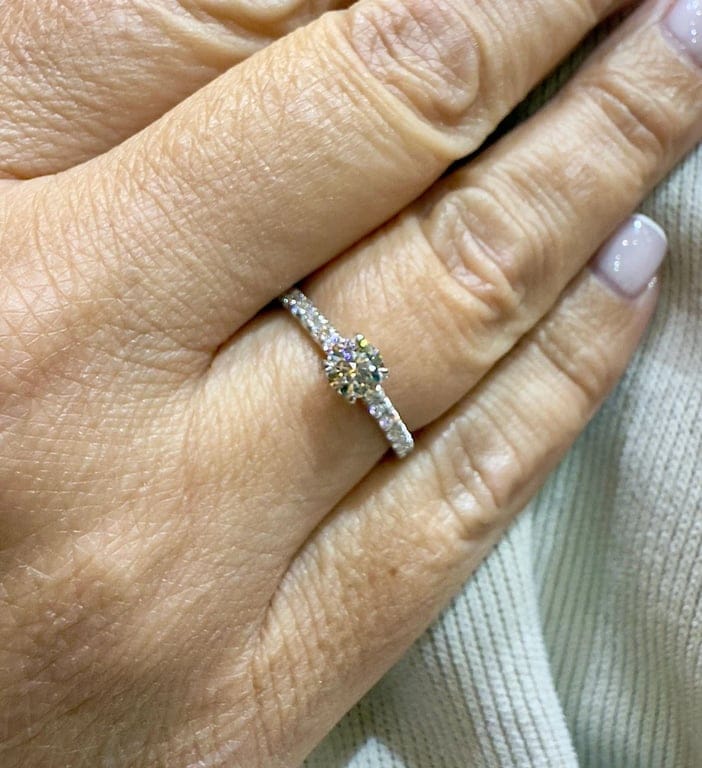
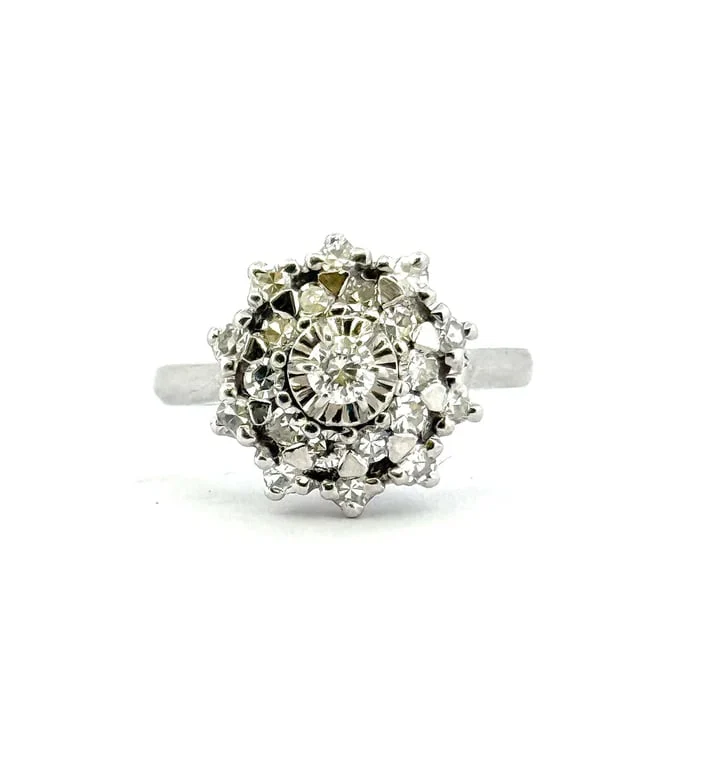
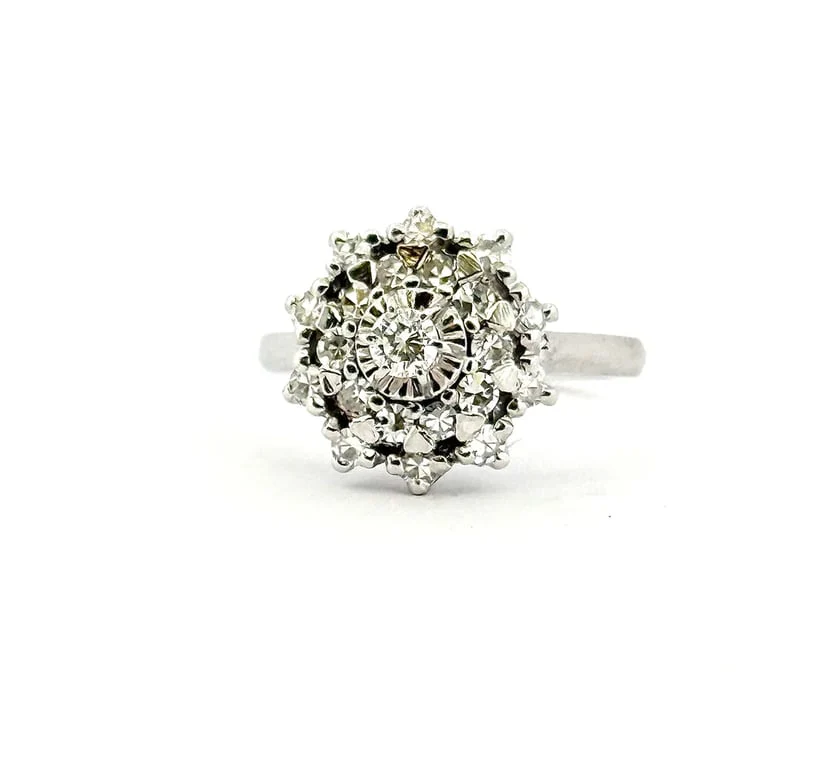
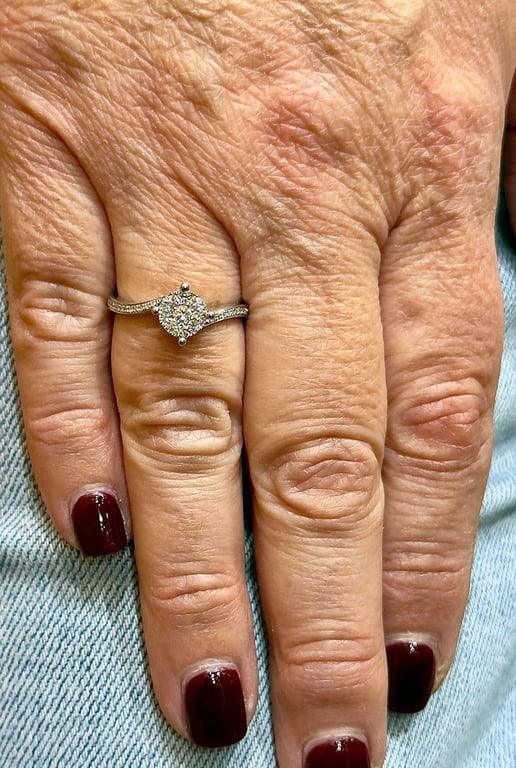
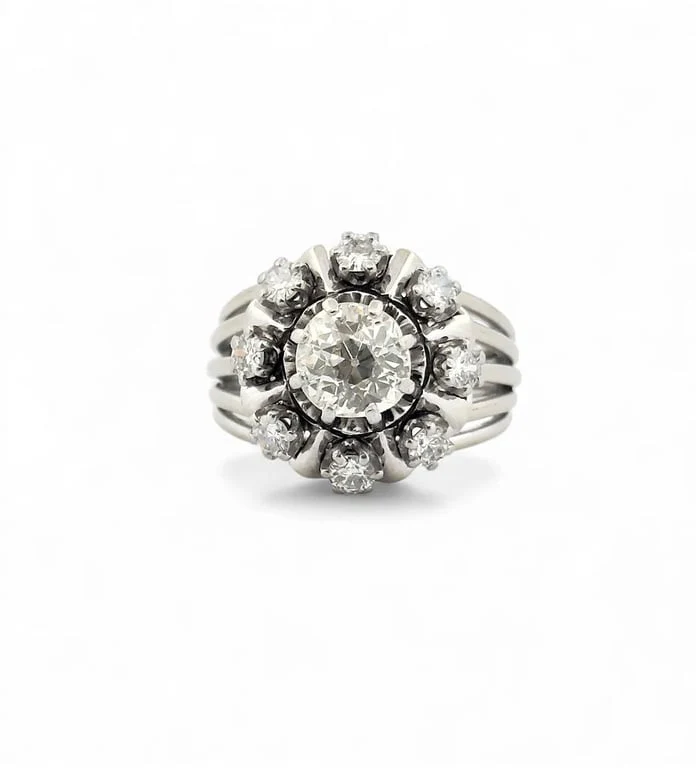
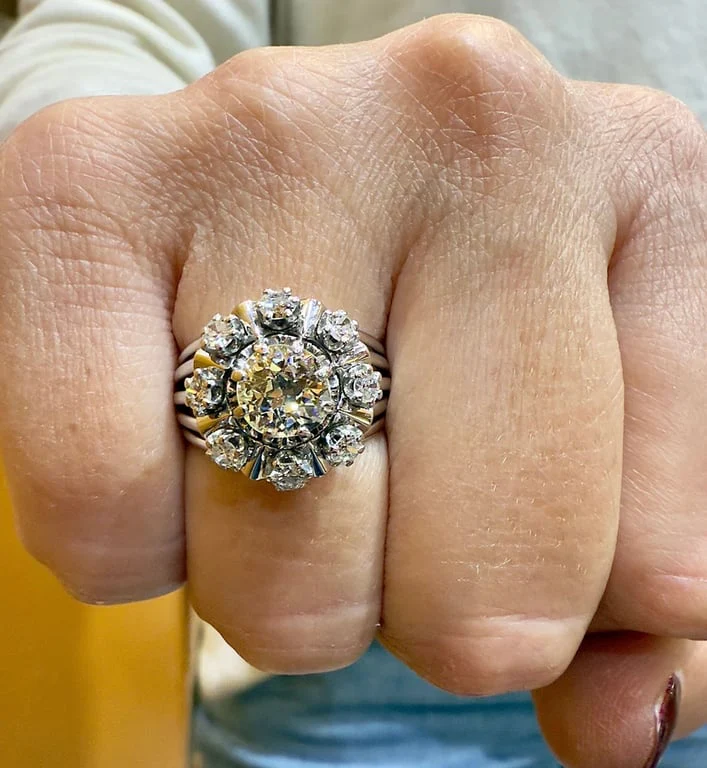
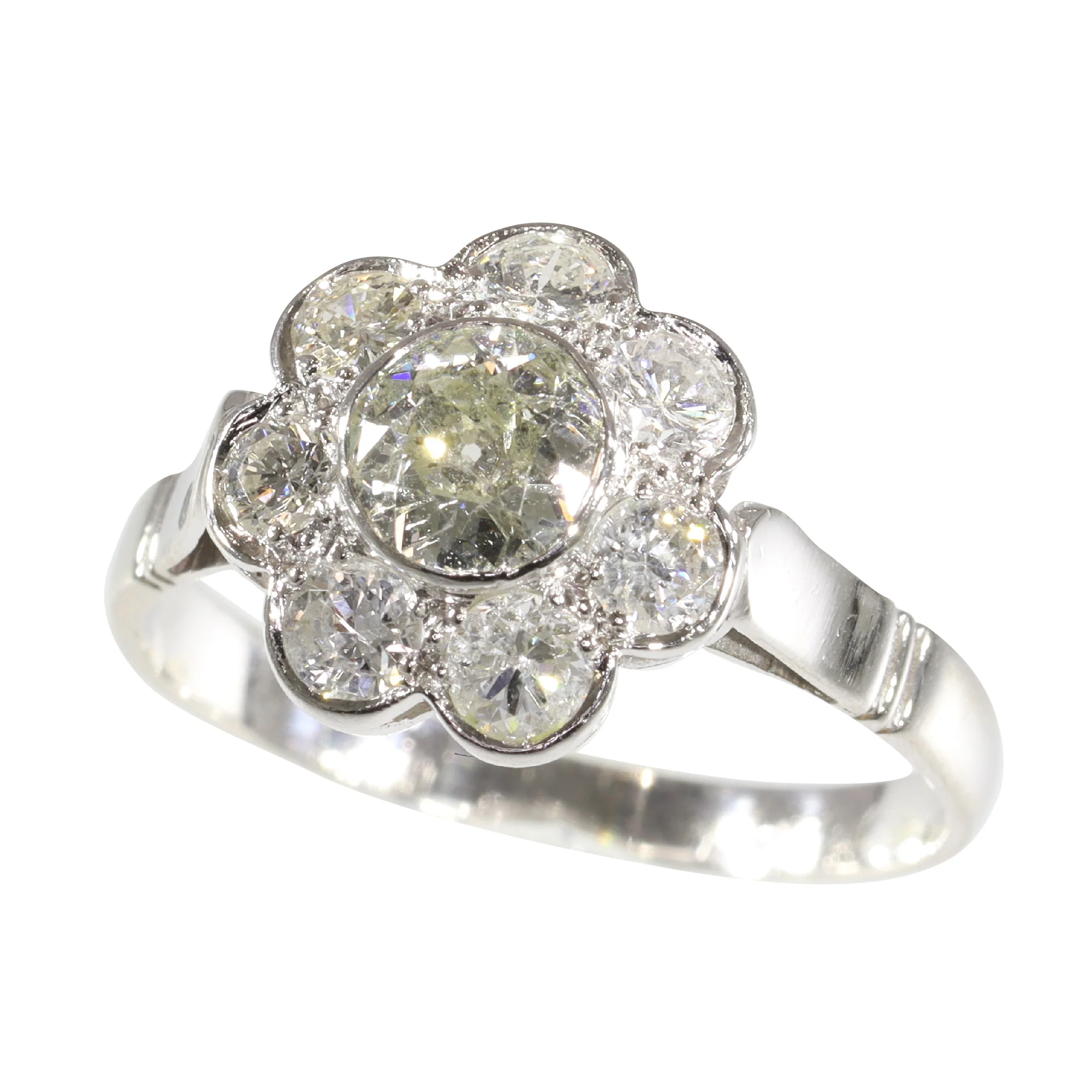
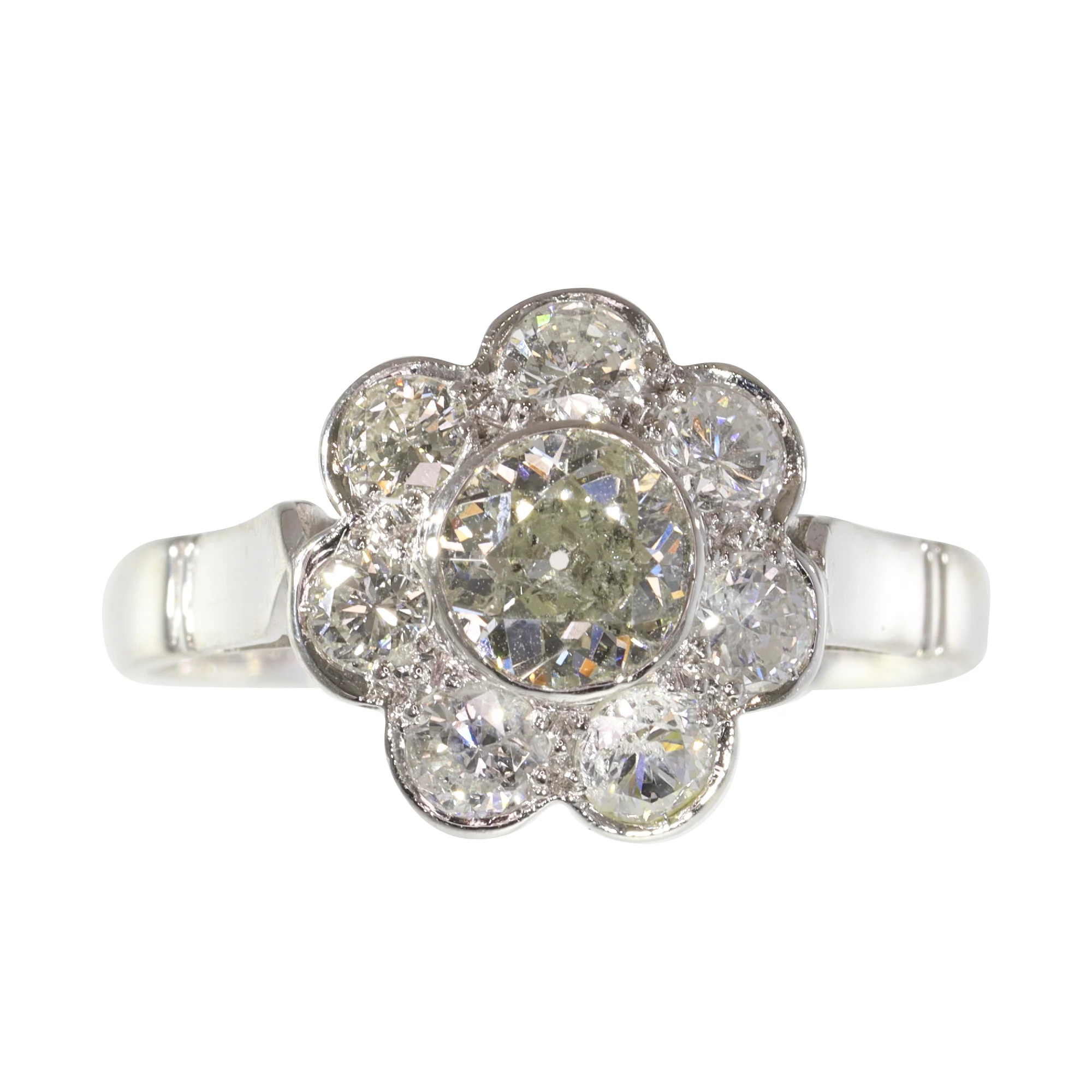
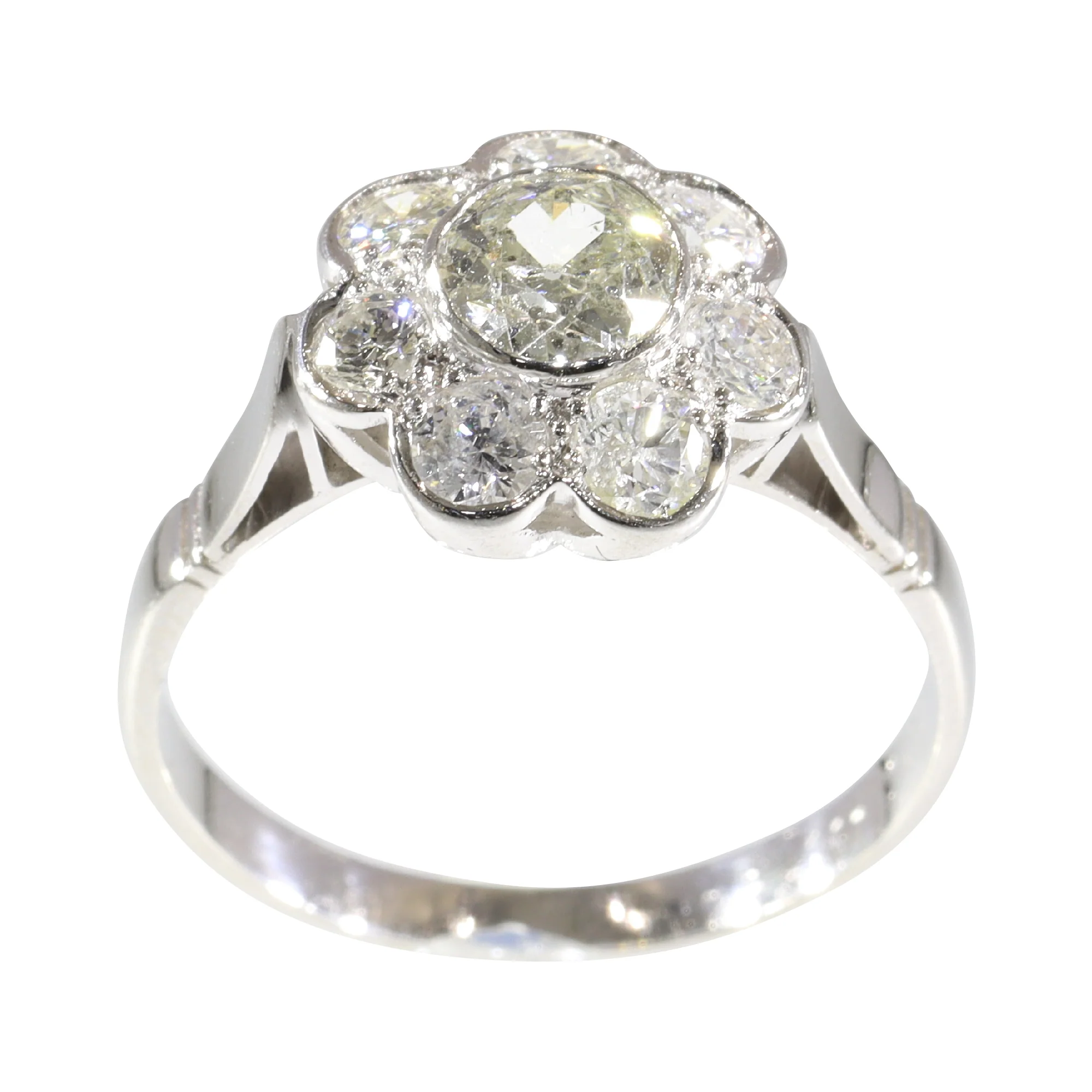
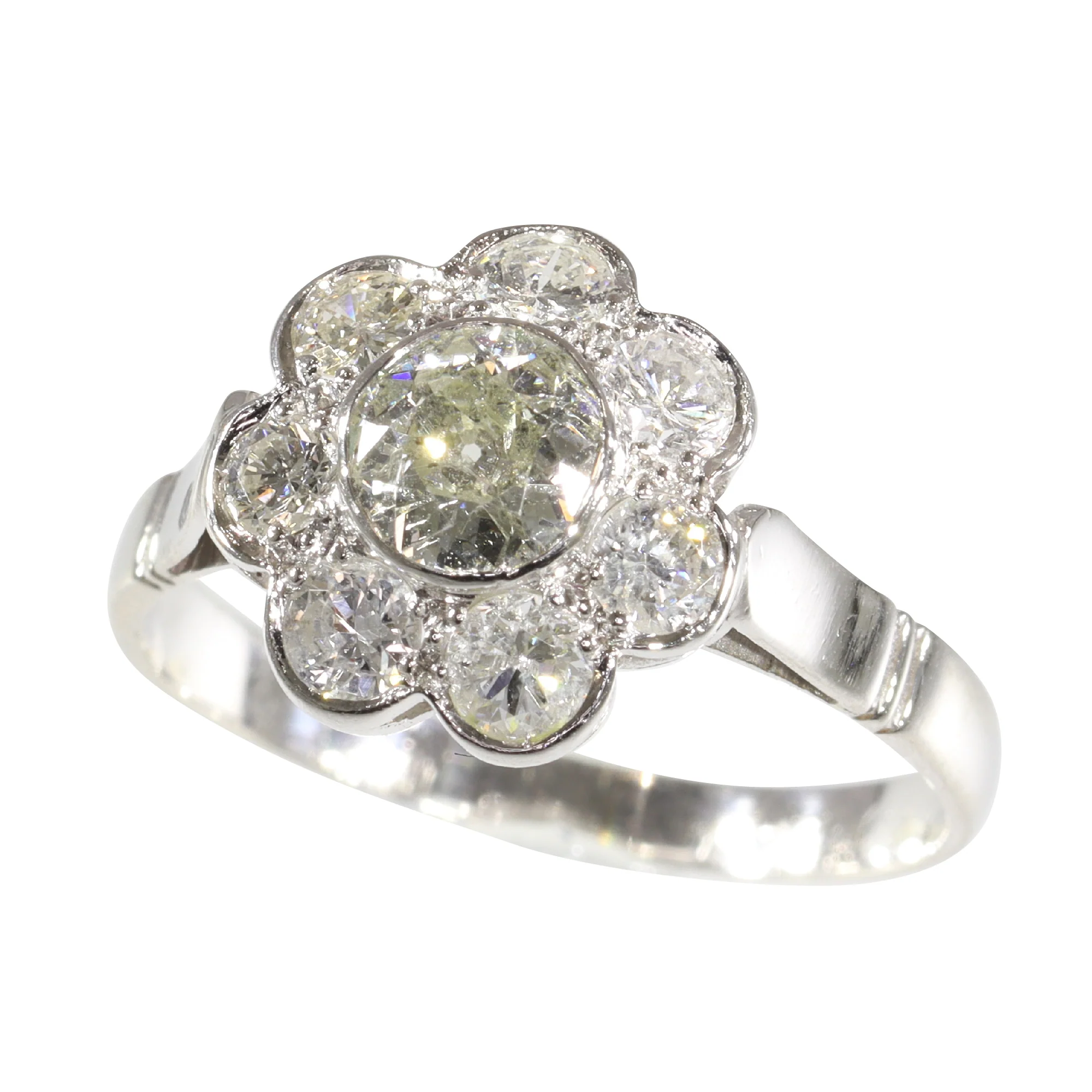
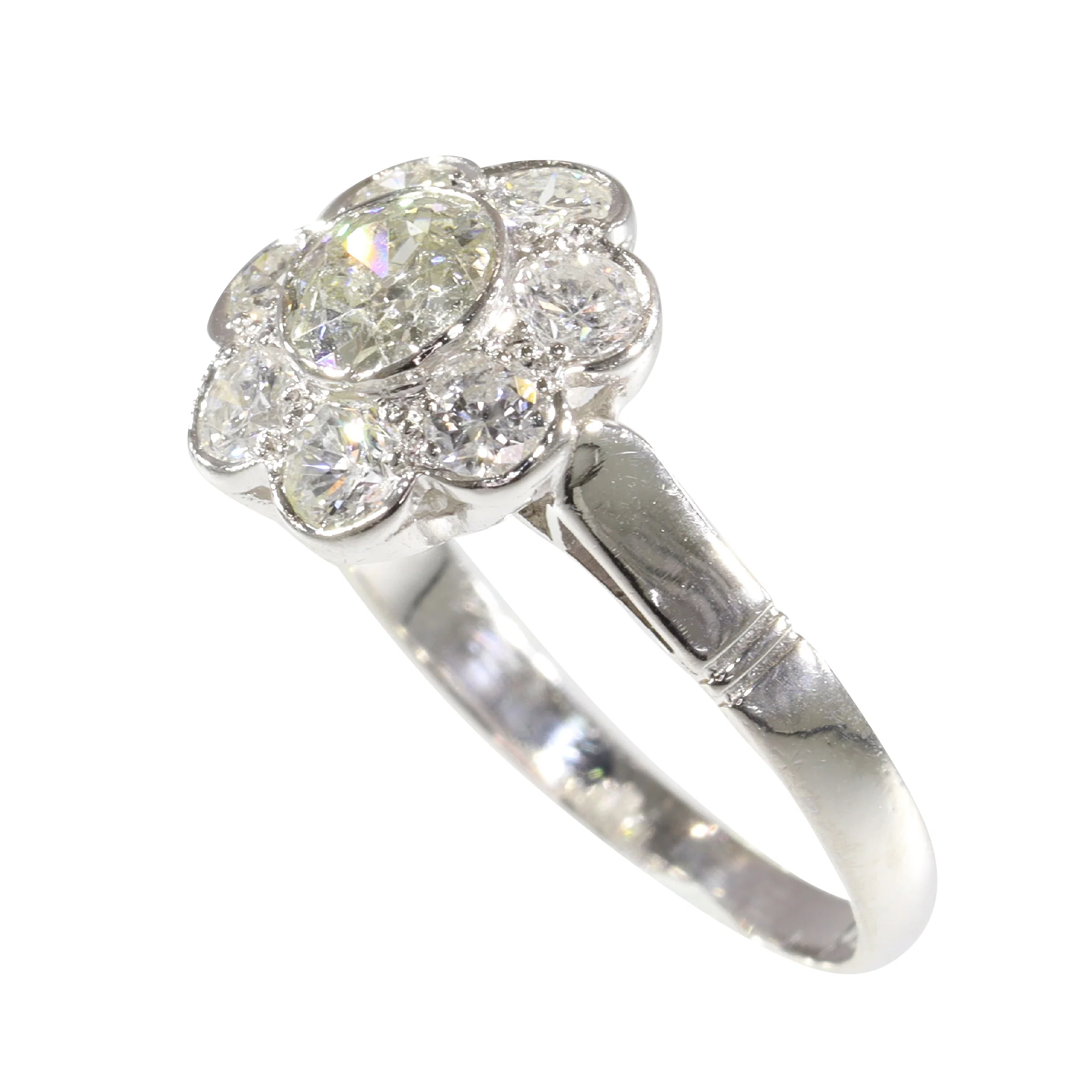
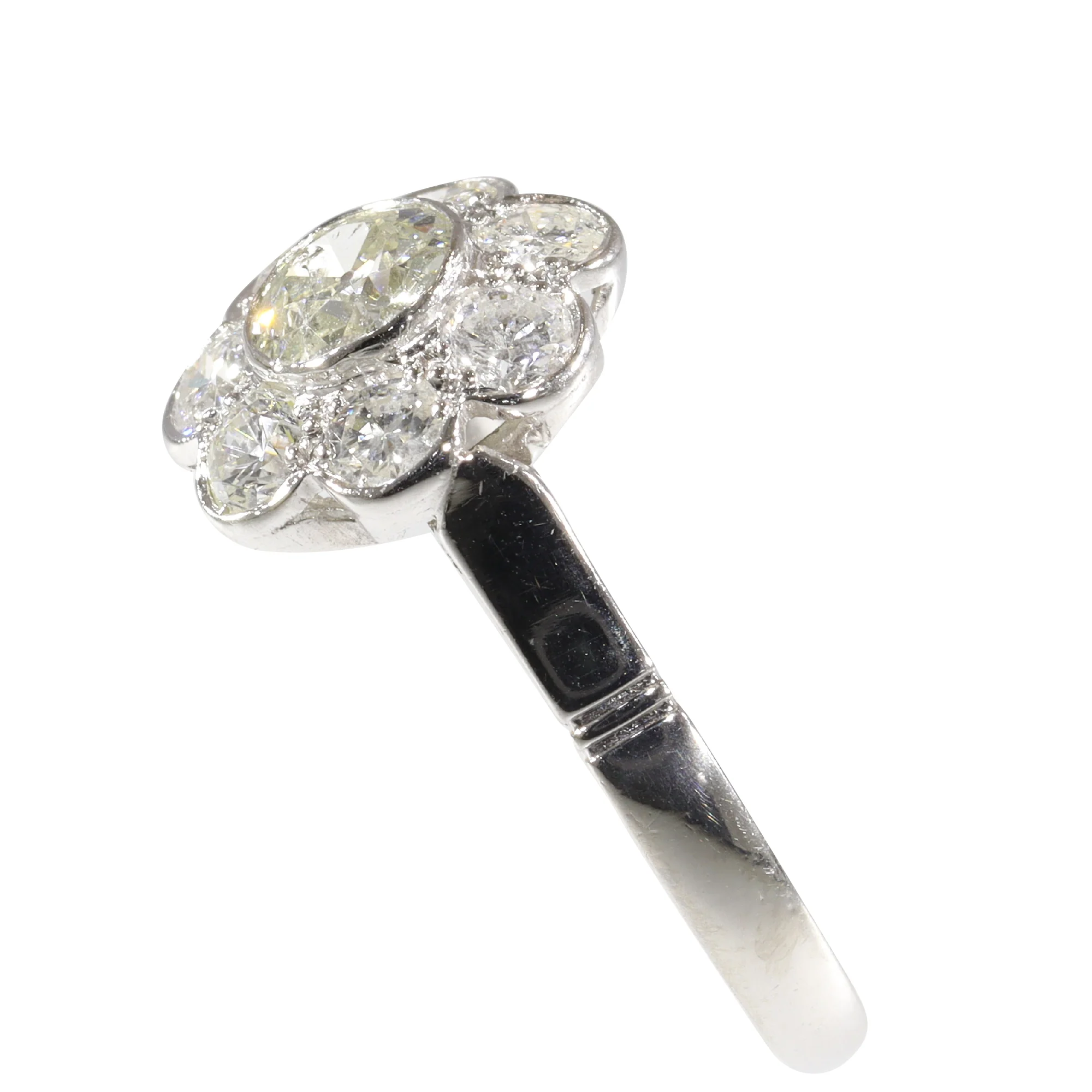
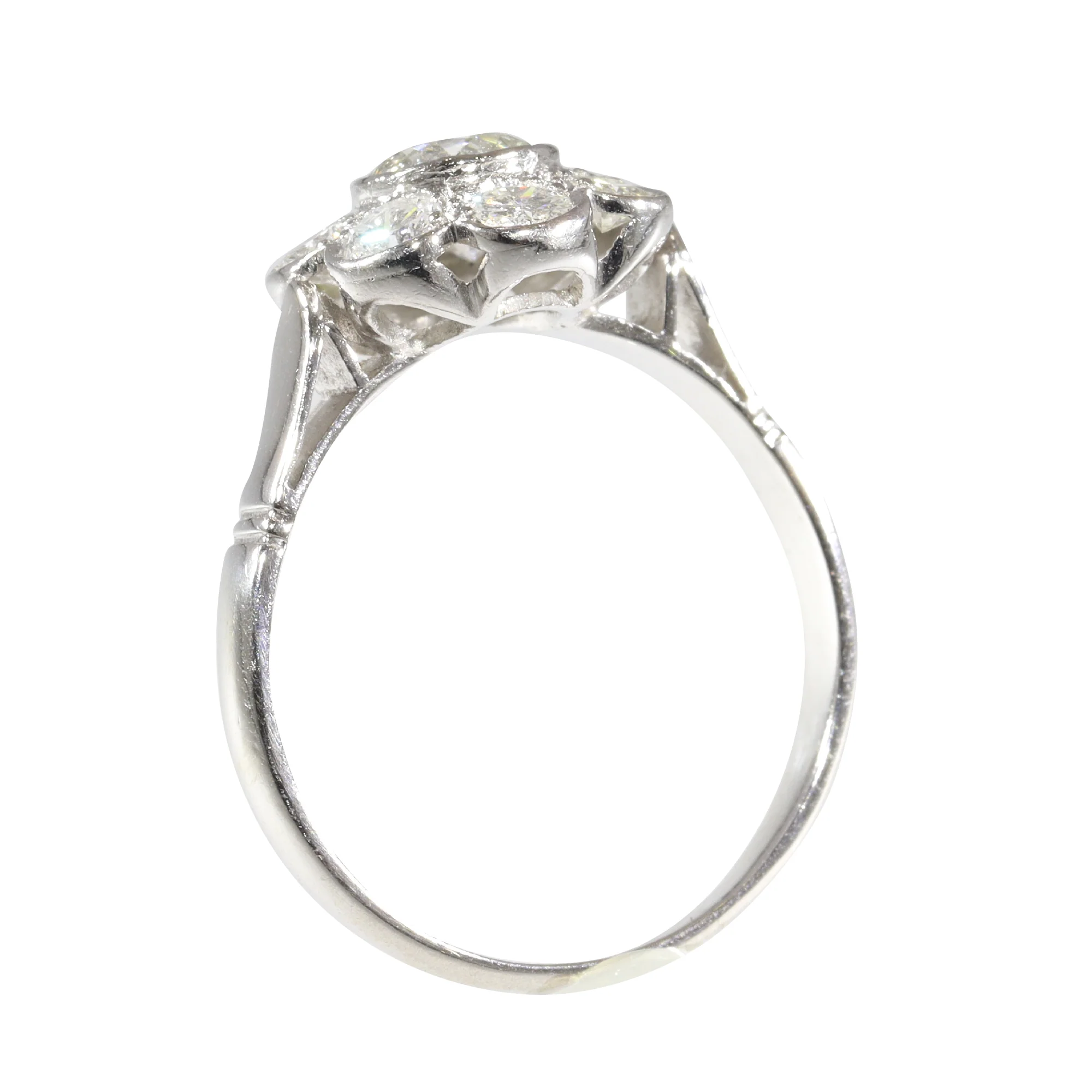
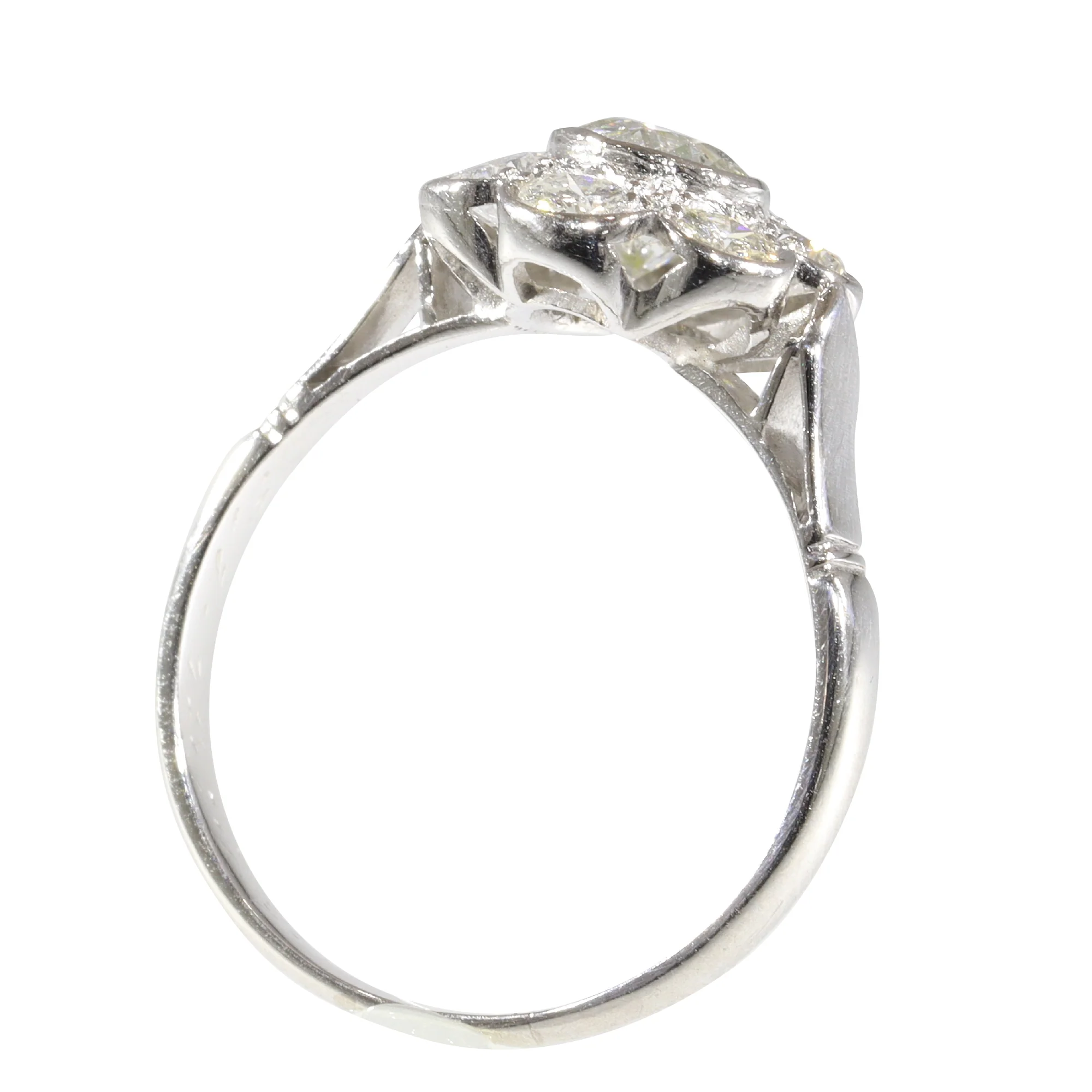
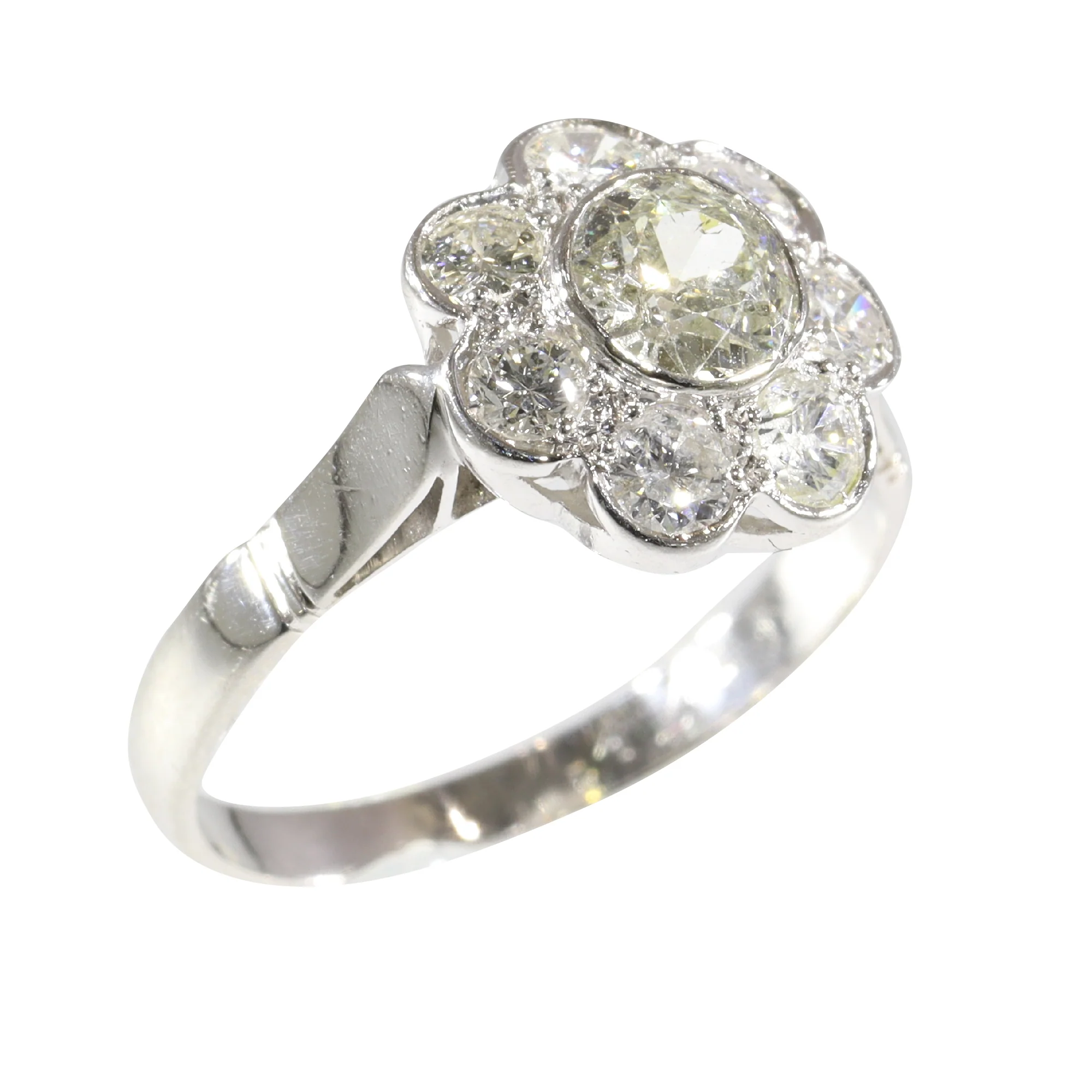
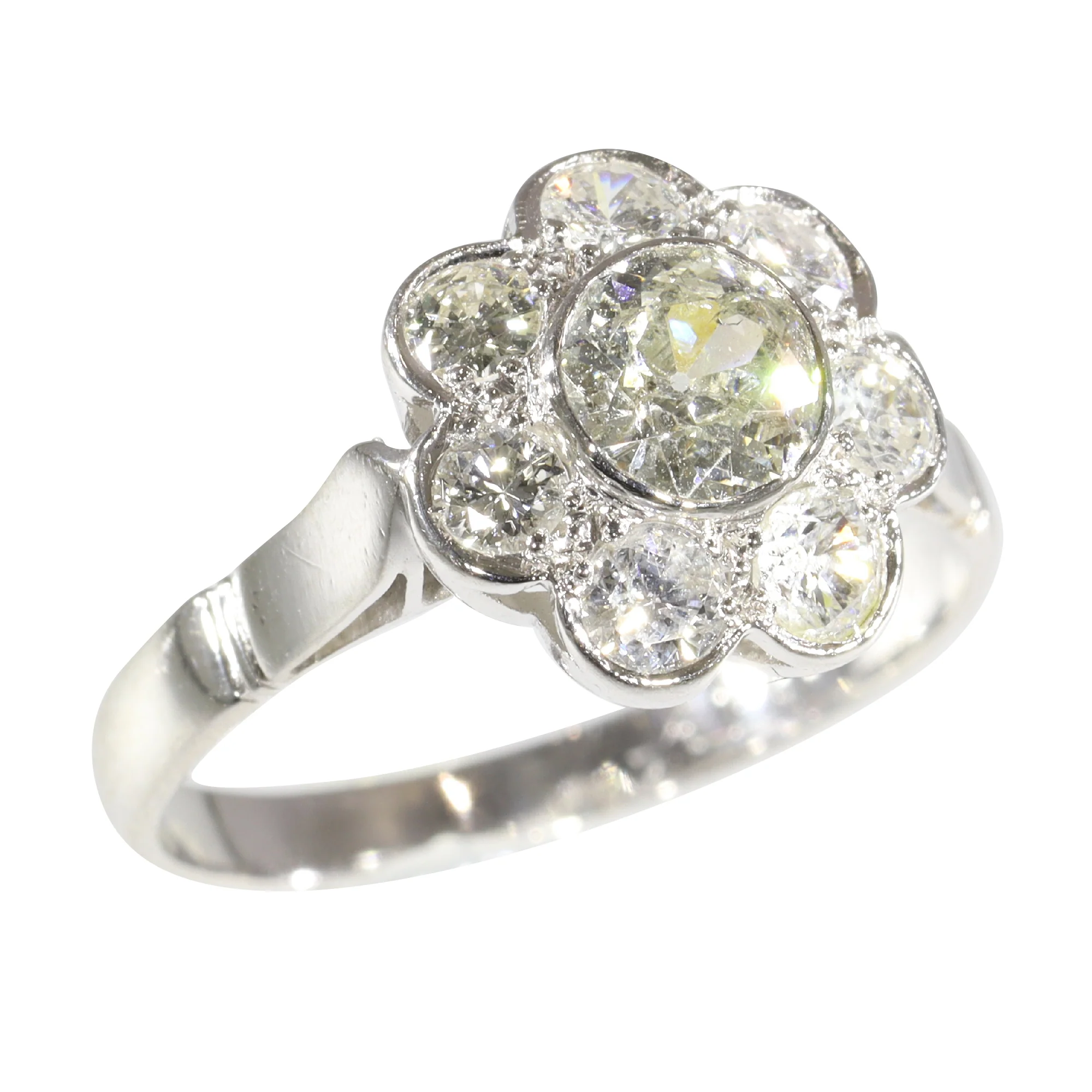
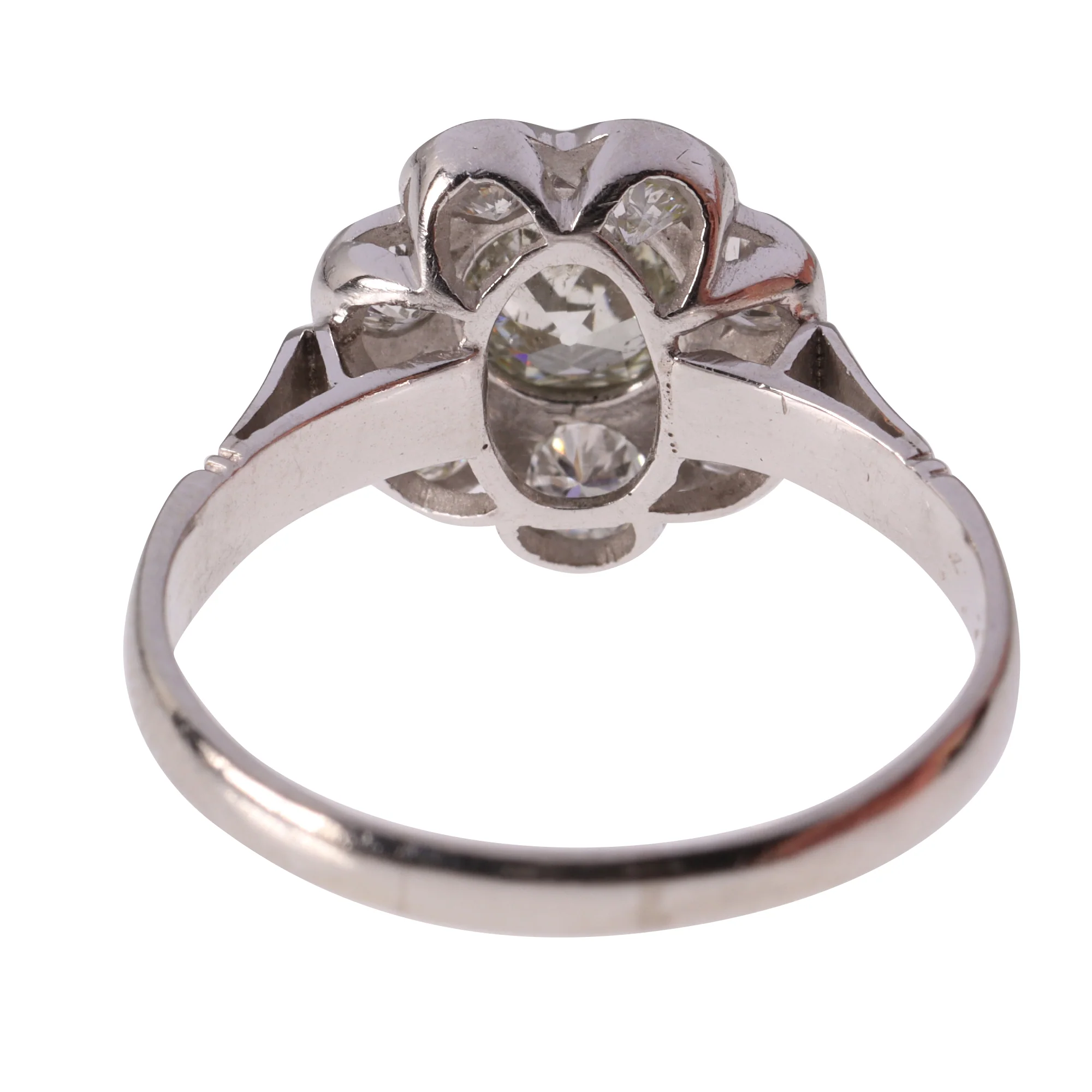
A splendid embodiment of vintage glamour, this 1950s engagement ring, dating from around 1950, is believed to be of Belgian origin. Crafted in platinum, it is adorned with a resplendent old-cut diamond, complemented by seven brilliant-cut diamonds, for a total weight of approximately 1.32 carats. Historically, diamonds symbolized strength, courage, and invincibility, thus becoming symbols of love, as evidenced by the tradition initiated by Archduke Maximilian in 1477. This ring captures the essence of this heritage, thus bearing witness to love and commitment.
Antique jewelry group:
engagement ring (or anniversary ring)
Condition:
very good condition
- (more info on our condition scale)
Country of origin:
Although it bears no readable control marks, we believe it is of Belgian origin.
Style:
Vintage 1950s (20th century)
- See also: Fifties (20th century) or more info on styles
Period:
circa 1950
- (events and facts of this era, poetry of this era, fashion of this era)
Material:
platinum
- (more info on precious metals)
Additional information:
Diamond is the birthstone for the month of April and, in addition to being the most popular gemstone for engagement rings, it is also the anniversary gemstone for the 10th and 60th wedding anniversaries.
Although diamond is the hardest of all gemstones known to man, its composition is the simplest: it is ordinary carbon. The ancient Greeks believed that diamonds were splinters of stars fallen to Earth. Some even claimed they were the tears of the gods, crystallized lightning, or hardened drops of dew. The exact origin of diamonds remained a mystery for centuries.
In ancient times, only kings wore diamonds, symbols of strength, courage, and invincibility. Over the centuries, the diamond acquired its unique status as the ultimate love gift. It was said that Cupid's arrows were adorned with diamonds, whose magic was unrivaled.
But it was only in 1477, when Archduke Maximilian of Austria gave a diamond ring to Mary of Burgundy, that the tradition of diamond engagement rings was born. The very reason a woman wears it on the third finger of her left hand dates back to the Egyptian belief that the vena amoris (vein of love) ran directly from the heart to the top of the third finger of the left hand.
Diamond(s):
One old European cut diamond with an estimated weight of ± 0.62 ct. (color and clarity: K/M, i).
Seven brilliant-cut diamonds with an estimated weight of ± 0.70 ct. (color and clarity: F/H, si/i).
Total number of diamonds:
eight pieces.
Total diamond weight:
about 1.32 crt.
- All diamond weights, color grades, and clarity are approximate as the stones have not been removed from their settings to preserve the integrity of the mount.
Birthstones:
Diamond is the birthstone (or stone of the month) for April.
- (more info about birthstones)
Hallmarks:
No trace.
- (more info about hallmarks)
Dimensions:
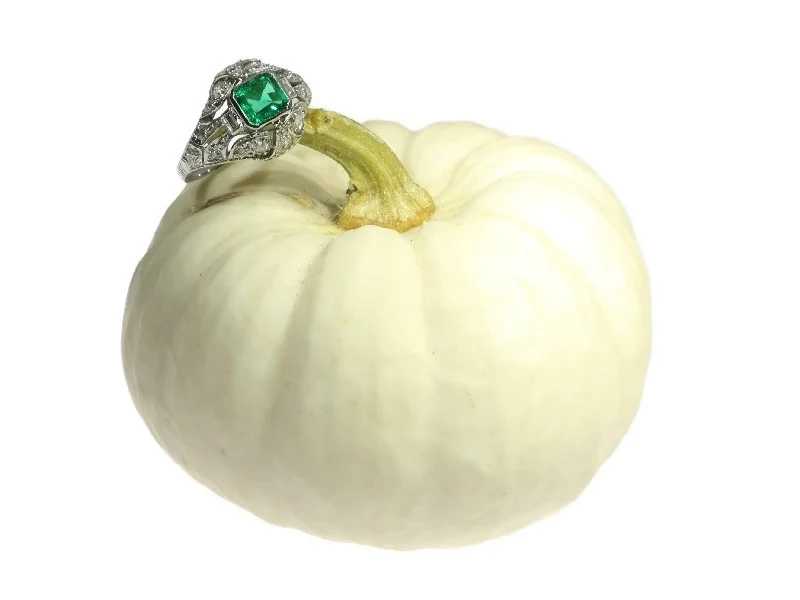
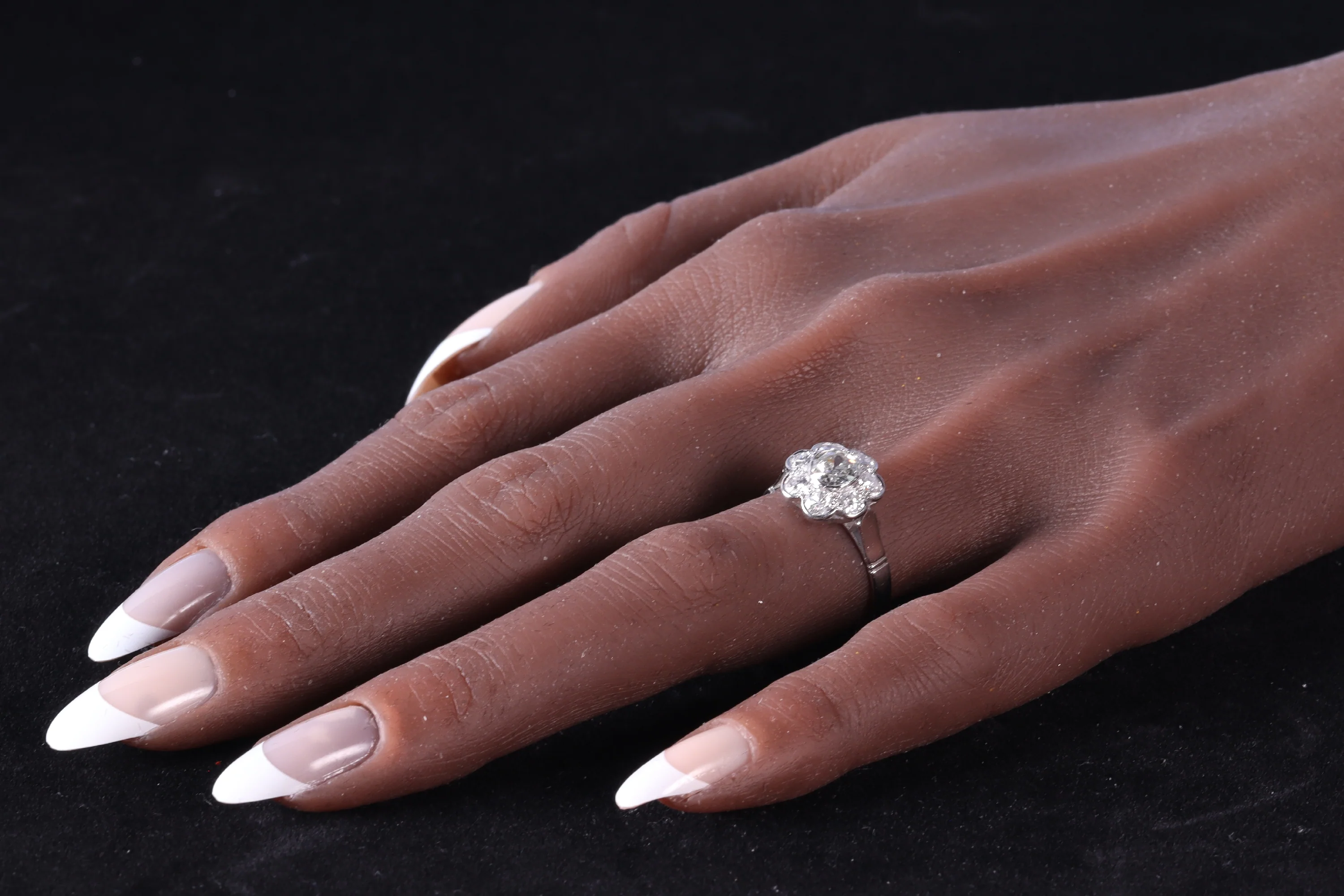
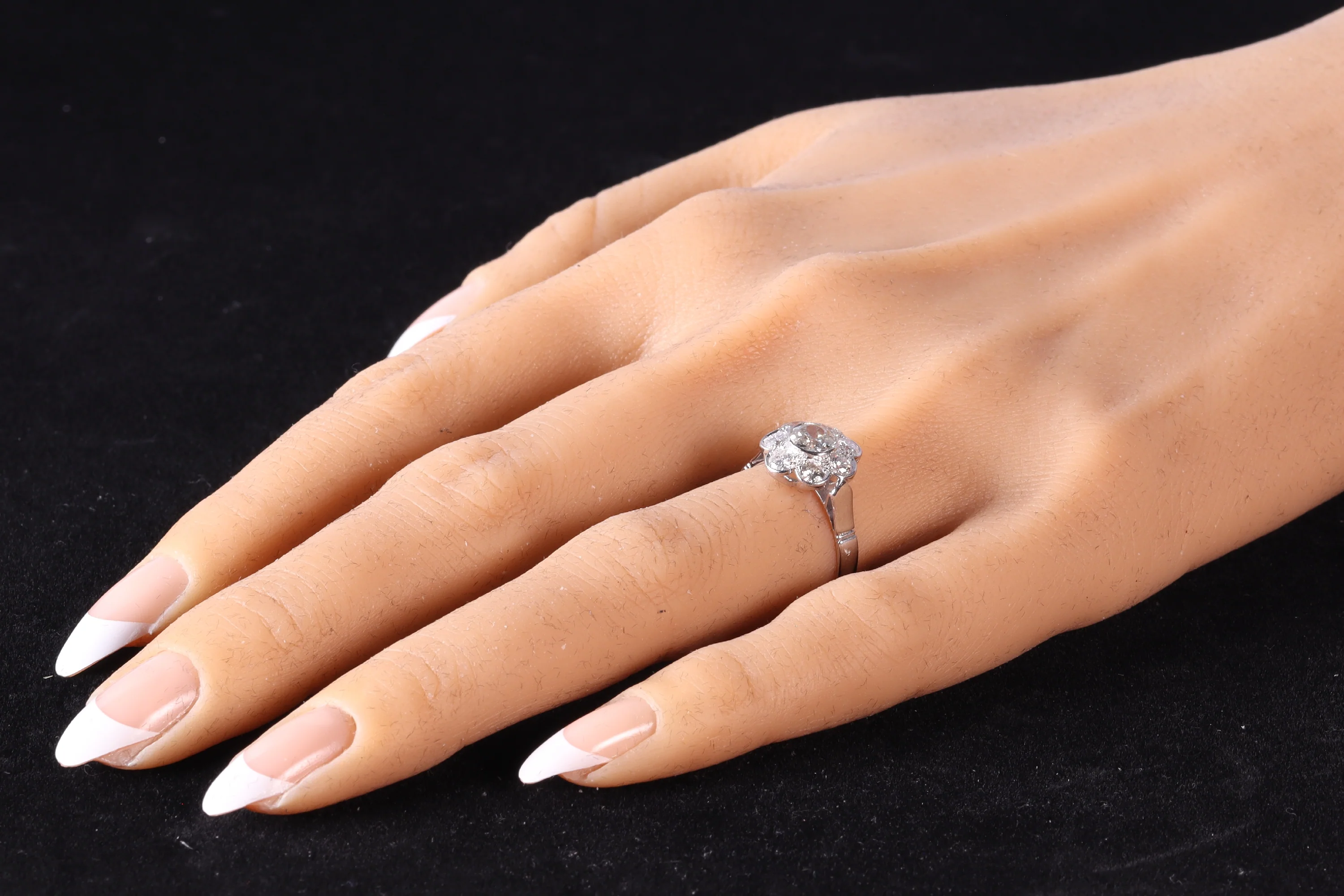
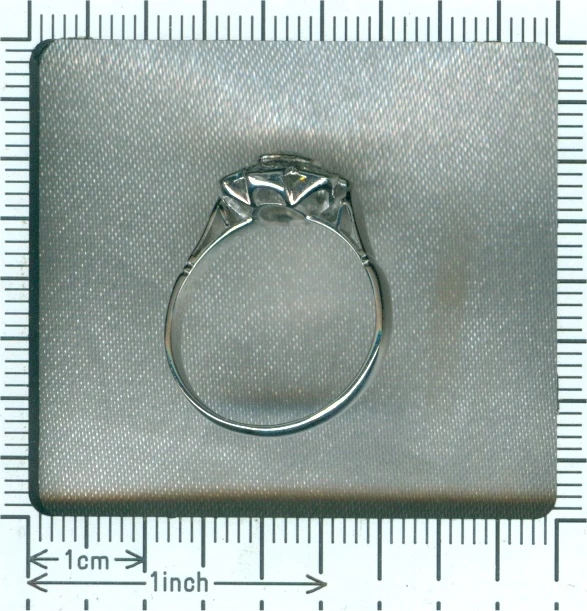
diameter at the top of the ring 1.20 cm (0.47 inch)
Weight:
3.80 grams (2.44 dwt)
Continental ring size:
55 and 17½,
US size
7¼,
UK size:
O
Resizing:
free resizing (only for an extreme resizing do we have to charge).
- (more information about ring sizes)
More Images
A spark from the past: a vintage 1950s diamond engagement ring
A splendid embodiment of vintage glamour, this 1950s engagement ring, dating from around 1950, is believed to be of Belgian origin. Crafted in platinum, it is adorned with a resplendent old-cut diamond, complemented by seven brilliant-cut diamonds, for a total weight of approximately 1.32 carats. Historically, diamonds symbolized strength, courage, and invincibility, thus becoming symbols of love, as evidenced by the tradition initiated by Archduke Maximilian in 1477. This ring captures the essence of this heritage, thus bearing witness to love and commitment.
Antique jewelry group:
engagement ring (or anniversary ring)
Condition:
very good condition
- (more info on our condition scale)
Country of origin:
Although it bears no readable control marks, we believe it is of Belgian origin.
Style:
Vintage 1950s (20th century)
- See also: Fifties (20th century) or more info on styles
Period:
circa 1950
- (events and facts of this era, poetry of this era, fashion of this era)
Material:
platinum
- (more info on precious metals)
Additional information:
Diamond is the birthstone for the month of April and, in addition to being the most popular gemstone for engagement rings, it is also the anniversary gemstone for the 10th and 60th wedding anniversaries.
Although diamond is the hardest of all gemstones known to man, its composition is the simplest: it is ordinary carbon. The ancient Greeks believed that diamonds were splinters of stars fallen to Earth. Some even claimed they were the tears of the gods, crystallized lightning, or hardened drops of dew. The exact origin of diamonds remained a mystery for centuries.
In ancient times, only kings wore diamonds, symbols of strength, courage, and invincibility. Over the centuries, the diamond acquired its unique status as the ultimate love gift. It was said that Cupid's arrows were adorned with diamonds, whose magic was unrivaled.
But it was only in 1477, when Archduke Maximilian of Austria gave a diamond ring to Mary of Burgundy, that the tradition of diamond engagement rings was born. The very reason a woman wears it on the third finger of her left hand dates back to the Egyptian belief that the vena amoris (vein of love) ran directly from the heart to the top of the third finger of the left hand.
Diamond(s):
One old European cut diamond with an estimated weight of ± 0.62 ct. (color and clarity: K/M, i).
Seven brilliant-cut diamonds with an estimated weight of ± 0.70 ct. (color and clarity: F/H, si/i).
Total number of diamonds:
eight pieces.
Total diamond weight:
about 1.32 crt.
- All diamond weights, color grades, and clarity are approximate as the stones have not been removed from their settings to preserve the integrity of the mount.
Birthstones:
Diamond is the birthstone (or stone of the month) for April.
- (more info about birthstones)
Hallmarks:
No trace.
- (more info about hallmarks)
Dimensions:
diameter at the top of the ring 1.20 cm (0.47 inch)
Weight:
3.80 grams (2.44 dwt)
Continental ring size:
55 and 17½,
US size
7¼,
UK size:
O
Resizing:
free resizing (only for an extreme resizing do we have to charge).
- (more information about ring sizes)
Product Information
Product Information
Shipping & Returns
Shipping & Returns
Description
A splendid embodiment of vintage glamour, this 1950s engagement ring, dating from around 1950, is believed to be of Belgian origin. Crafted in platinum, it is adorned with a resplendent old-cut diamond, complemented by seven brilliant-cut diamonds, for a total weight of approximately 1.32 carats. Historically, diamonds symbolized strength, courage, and invincibility, thus becoming symbols of love, as evidenced by the tradition initiated by Archduke Maximilian in 1477. This ring captures the essence of this heritage, thus bearing witness to love and commitment.
Antique jewelry group:
engagement ring (or anniversary ring)
Condition:
very good condition
- (more info on our condition scale)
Country of origin:
Although it bears no readable control marks, we believe it is of Belgian origin.
Style:
Vintage 1950s (20th century)
- See also: Fifties (20th century) or more info on styles
Period:
circa 1950
- (events and facts of this era, poetry of this era, fashion of this era)
Material:
platinum
- (more info on precious metals)
Additional information:
Diamond is the birthstone for the month of April and, in addition to being the most popular gemstone for engagement rings, it is also the anniversary gemstone for the 10th and 60th wedding anniversaries.
Although diamond is the hardest of all gemstones known to man, its composition is the simplest: it is ordinary carbon. The ancient Greeks believed that diamonds were splinters of stars fallen to Earth. Some even claimed they were the tears of the gods, crystallized lightning, or hardened drops of dew. The exact origin of diamonds remained a mystery for centuries.
In ancient times, only kings wore diamonds, symbols of strength, courage, and invincibility. Over the centuries, the diamond acquired its unique status as the ultimate love gift. It was said that Cupid's arrows were adorned with diamonds, whose magic was unrivaled.
But it was only in 1477, when Archduke Maximilian of Austria gave a diamond ring to Mary of Burgundy, that the tradition of diamond engagement rings was born. The very reason a woman wears it on the third finger of her left hand dates back to the Egyptian belief that the vena amoris (vein of love) ran directly from the heart to the top of the third finger of the left hand.
Diamond(s):
One old European cut diamond with an estimated weight of ± 0.62 ct. (color and clarity: K/M, i).
Seven brilliant-cut diamonds with an estimated weight of ± 0.70 ct. (color and clarity: F/H, si/i).
Total number of diamonds:
eight pieces.
Total diamond weight:
about 1.32 crt.
- All diamond weights, color grades, and clarity are approximate as the stones have not been removed from their settings to preserve the integrity of the mount.
Birthstones:
Diamond is the birthstone (or stone of the month) for April.
- (more info about birthstones)
Hallmarks:
No trace.
- (more info about hallmarks)
Dimensions:
diameter at the top of the ring 1.20 cm (0.47 inch)
Weight:
3.80 grams (2.44 dwt)
Continental ring size:
55 and 17½,
US size
7¼,
UK size:
O
Resizing:
free resizing (only for an extreme resizing do we have to charge).
- (more information about ring sizes)